How to support healthy weight management naturally: the Flat Belly Tonic guide

Updated August 2026 · reviewed by the Flat Belly Tonic Research Team. We are an independent information resource, not a medical provider, and this article is educational rather than medical advice.
To support healthy weight management naturally means using everyday food, movement, sleep and digestion habits — and, if you choose, food-based supplements — to help keep your weight in a comfortable range over time. It is about consistency over extremes, and it works alongside, not instead of, the guidance of your doctor.
The fastest route to a steadier middle, in one place.
- The goal
- Build a small number of repeatable habits that keep you satisfied, moving and digesting comfortably — not a crash diet.
- Biggest levers
- What you eat and how you move matter most — fibre, protein, whole foods, a daily walk and regular sleep.
- Meal-order trick
- Eating vegetables and protein before the starchy part of a meal helps you feel full on less.
- Where a tonic fits
- A food-based blend such as Flat Belly Tonic can support the routine, but it is not a treatment for any condition.
- Timeframe
- A post-meal walk helps the same day; diet, activity and weight changes usually show over several weeks to a few months, and results vary.
If you have ever felt bloated by mid-morning or hungry again an hour after breakfast, you have felt everyday metabolism and digestion in motion. For most people the aim is simply a calmer, steadier middle, and the levers with the most influence are the ordinary ones. This guide walks through them in plain language and shows where a food-based formula like Flat Belly Tonic can play a supporting role.

What does it mean to support weight management naturally?
Supporting weight management naturally is the practice of using diet, activity, sleep, stress management and digestive health to help your body find and hold a comfortable weight. It is not a cure or a quick fix; it is a set of small, repeatable choices that add up. Two ideas anchor everything below: consistency beats intensity, and these habits stack — each helps a little, and together they help a lot.
Fiber is the most reliable single dietary lever here. Reviews of the observational and trial literature consistently associate higher fiber intake with better weight regulation and greater satiety (Howarth N.C. et al. “Dietary fiber and weight regulation.” Nutrition Reviews, 2001), and a randomised trial found that simply telling people to eat 30 g of fiber a day produced weight loss comparable to a far more complex multi-component diet (Ma Y. et al. “Single-component versus multicomponent dietary goals for the metabolic syndrome: a randomized trial.” Annals of Internal Medicine, 2015).
Why is a steady weight so hard to keep?
Modern life quietly nudges appetite and digestion in the wrong direction. Ultra-processed foods are engineered to be easy to overeat; sugary drinks deliver calories without fullness; long sitting spells slow everyday movement; short sleep raises the hunger hormone ghrelin and dampens the fullness hormone leptin; and stress can push us toward comfort eating. None of these is a personal failing — they are simply the current, and each one is something you can nudge back the other way.
Digestion matters here too. A comfortable, well-fed gut helps you feel better day to day, and fibre-rich foods that feed friendly bacteria also happen to be the foods that keep you full. That overlap is why a single change — eating more whole plants — supports both weight and digestion at once.
The companion article on supporting gut health day to day takes up fiber diversity, prebiotics and what live cultures can and cannot do in detail.
What are the most effective everyday habits?
1. Build meals around fibre, protein and whole foods
Fibre and protein are the two most useful nutrients for a steady weight, because they help you feel full on fewer calories and slow the pace of digestion. Aim for half your plate non-starchy vegetables, a quarter lean protein, a quarter whole, intact carbohydrates.
Foods that help you feel full and support digestion include:
- Non-starchy vegetables — leafy greens, broccoli, peppers, courgette, cauliflower.
- Beans, lentils and chickpeas — fibre and plant protein in one package.
- Whole, intact grains — oats, barley, quinoa and brown rice rather than refined flour.
- Nuts and seeds — almonds, walnuts, chia and flax for fat and fibre.
- Protein at every meal — eggs, fish, poultry, tofu, Greek yoghurt.
- Whole fruit over juice — the fibre in whole fruit slows the sugar that juice delivers all at once.
2. Use meal order and portion cues
You do not always have to change what you eat — sometimes the order and the portion are enough. Eating vegetables and protein before the starchy portion of a meal helps you feel satisfied sooner. Smaller plates, a glass of water before eating, and a pause halfway through are simple cues that let your fullness signals catch up.
3. Move your body, especially after meals
Everyday movement is the quiet engine of weight management. A 10-to-15-minute walk after your largest meal aids digestion and adds up over a week, while regular activity — walking, cycling, gardening, bodyweight moves — supports a healthy metabolism. No gym is required; the best activity is the one you will actually repeat.

4. Protect your sleep and manage stress
Sleep and stress are the influencers most people underrate. A short night raises appetite hormones the next day, and chronic stress can drive comfort eating through cortisol. Seven to nine hours of regular sleep, plus simple decompression — a walk, slow breathing, time outdoors — supports a steadier weight in ways no supplement can replace.
5. Look after your gut and stay hydrated
Sugary drinks are among the easiest ways to take in calories without fullness, so water, unsweetened tea and coffee are steadier choices. Fibre-rich foods and, for some people, a probiotic routine support everyday digestion — and a comfortable gut simply makes healthy eating easier to sustain.
See how Flat Belly Tonic fits your morning →
Where does a morning tonic fit in?
Supplements are a supplement to the habits above, not a substitute, and never a treatment for any condition. Still, a handful of food-based ingredients have long been part of the weight-and-digestion conversation. Here is a snapshot of the best-known ones, several of which appear in Flat Belly Tonic.
| Ingredient | Why it is discussed | Traditional / general role |
|---|---|---|
| Hibiscus | Antioxidant flower | A tart tea rich in polyphenols and anthocyanins, enjoyed for centuries as a refreshing drink. |
| Green tea (EGCG) | Polyphenol source | Widely studied for general metabolic wellness; a rich natural source of antioxidants. |
| Ginger & cinnamon | Culinary spices | Warming kitchen staples used for generations and rich in aromatic plant compounds. |
| Bitter melon | Traditional food | A gourd used as food and folk tonic across Asia and Africa. |
| Probiotics & inulin | Digestive support | Live cultures and prebiotic fibre used to support everyday gut balance. |
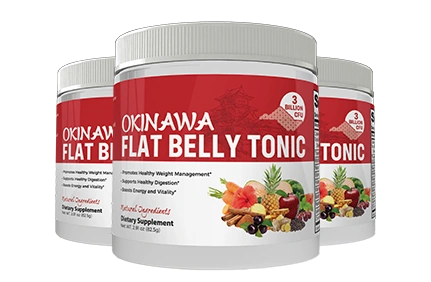
Flat Belly Tonic brings these together as a single morning drink: a polyphenol blend of hibiscus, green tea, aronia berry and mulberry, a metabolic blend of cinnamon, ginger, turmeric and shilajit, and a digestive blend of prebiotic inulin with a 3-billion-CFU probiotic culture. For a closer look, read our guide to hibiscus, green tea and probiotics, or see the full ingredients section.
Make it a daily habit
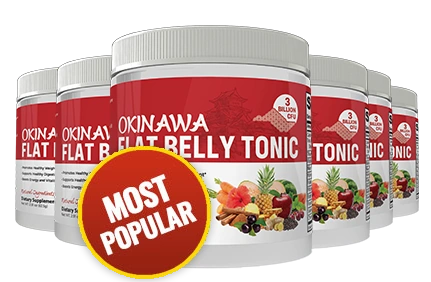
Flat Belly Tonic is a once-daily morning drink pairing antioxidant plants with culinary botanicals and probiotics. The six-jar bundle is the best value at $49 per jar, with free U.S. shipping and a 90-day guarantee.
Order Flat Belly Tonic — from $49/jarHow do you build a simple daily routine?
The best routine is the one you will keep. Rather than overhauling everything at once, stack one small habit at a time until each feels automatic:
- Anchor breakfast in protein and fibre so the day starts satisfied.
- Eat vegetables and protein first at your two largest meals.
- Take a 10-minute walk after your biggest meal.
- Swap one sugary drink a day for water or unsweetened tea.
- Protect a consistent bedtime so sleep does the quiet work.
- Keep a steady morning ritual — for Flat Belly Tonic, one scoop mixed into water or a smoothie.
Which habits work fastest? An at-a-glance table
A “fast” habit is one you feel within a day; a “slow” habit reshapes your baseline over weeks. Both matter. This table sorts the core habits by how quickly they help and how much effort they ask.
| Habit | Typical time to notice | Everyday effort |
|---|---|---|
| 10-15 min walk after a meal | Same day | Low |
| Vegetables & protein before starch | Same meal | Low |
| Swap sugary drinks for water/tea | Days | Low |
| Higher-fibre, whole-food meals | Days to weeks | Medium |
| Regular sleep & stress routine | Weeks | Medium |
| Consistent activity over months | Weeks to months | Higher |
Consistency turns any of these into a steadier month. Because botanical and probiotic routines build gradually, most people choose a multi-month supply so they don’t run out mid-routine — compare the packages and pricing on the homepage.
When should you talk to a doctor?
Natural habits are for supporting a healthy weight in generally healthy adults; they are not a replacement for medical care. Speak with your doctor if you are pregnant or nursing, under 18, take any medication, have a diagnosed condition, or notice unexplained weight change, ongoing fatigue or digestive symptoms that persist. A quick conversation ensures anything you add fits safely with your care.
It helps to read this next to the related pieces on the same shelf. We unpack flattening your belly after 40 on its own page, right down to what genuinely changes with age and what still responds to effort. There is a fuller treatment of Flat Belly Tonic pricing and packages elsewhere on this site, covering what each jar works out at per day once shipping is counted.
Frequently asked questions
What does it mean to support weight management naturally?
It means using everyday food, movement, sleep and digestion habits — and, optionally, food-based supplements — to help support a healthy weight over time. It complements, rather than replaces, medical care and a balanced lifestyle.
Which foods help support a healthy weight?
Foods that are filling for their calories: non-starchy vegetables, beans and lentils, whole intact grains, nuts and seeds, and protein at every meal. Fibre and protein help you feel full and slow digestion.
Does a morning tonic like Flat Belly Tonic help with weight?
Flat Belly Tonic is a food-based blend of antioxidant plants, culinary botanicals and probiotics designed to support healthy weight management and digestion as part of a routine. It is a support to diet and activity, not a treatment, and medication users should ask a doctor first.
How long does it take to see results?
Habits like a post-meal walk help the same day, while broader diet, activity and weight changes usually show over several weeks to a few months. Botanicals and probiotics build their support gradually, and individual results vary.
Do I have to cut out carbohydrates to manage my weight?
For most people, no. Choose whole, fibre-rich carbohydrate sources, keep portions sensible, and pair them with protein, fat or vegetables so you feel satisfied for longer.
Is Flat Belly Tonic a weight-loss drug?
No. Flat Belly Tonic is a dietary supplement, not a drug, and it is not intended to diagnose, treat, cure or prevent any disease. It is designed to complement a balanced diet and active lifestyle.
Try Flat Belly Tonic risk-free for 90 days →
Flat Belly Tonic is a dietary supplement, not a treatment for any medical condition. These statements have not been evaluated by the Food and Drug Administration. This product is not intended to diagnose, treat, cure or prevent any disease. Always consult a qualified healthcare professional about your individual needs.
References & further reading
- National Center for Complementary and Integrative Health (NCCIH). Weight Control and Complementary Health Approaches. nccih.nih.gov/health/weight-control
- National Center for Complementary and Integrative Health (NCCIH). Green Tea. nccih.nih.gov/health/green-tea
- National Institutes of Health, Office of Dietary Supplements. Dietary Supplements for Weight Loss. ods.od.nih.gov/factsheets/WeightLoss-HealthProfessional
- Howarth N.C. et al. “Dietary fiber and weight regulation.” Nutrition Reviews, 2001. pubmed.ncbi.nlm.nih.gov/11396693
- Examine.com. Hibiscus sabdariffa — evidence-based summary. examine.com/supplements/hibiscus-sabdariffa
These references describe the ingredients and habits in general terms and do not constitute evidence that any product treats, cures or prevents any condition.
Keep reading: the best morning habits for a flatter belly · how hibiscus, green tea and probiotics work · back to the Flat Belly Tonic blog · homepage.