How to support gut health naturally: the Flat Belly Tonic gut guide

Updated August 2026 · reviewed by the Flat Belly Tonic Research Team. We are an independent information resource, not a medical provider, and this article is educational rather than medical advice.
To support gut health naturally means feeding the trillions of bacteria in your digestive tract with a wide variety of plants, adding live cultures from fermented foods, and giving those microbes prebiotic fibre to eat — day after day, until it becomes routine. It is about diversity and consistency, and it works alongside, not instead of, the guidance of your doctor.
How to support gut health naturally, in one place.
- The goal
- Build a diverse, well-fed gut microbiome with everyday food and movement — not a cleanse or a crash reset.
- Biggest lever
- Plant diversity. Aiming for many different plants a week feeds a wider range of friendly bacteria than any single “superfood.”
- Prebiotics vs probiotics
- Probiotics are the live bacteria; prebiotics such as inulin are the fibre that feeds them. You want both.
- Where a tonic fits
- A food-based blend such as Flat Belly Tonic pairs prebiotic inulin with a probiotic culture to support the routine — comfort can improve within days, a more diverse microbiome over weeks, and results vary. It is not a treatment for any condition.
If a week of takeaways leaves your digestion sluggish, you have felt your gut microbiome responding to what you feed it. The good news is that this community of microbes is remarkably responsive: change what lands on your plate and the balance begins to shift within days. This guide walks through the everyday basics and shows where a food-based formula like Flat Belly Tonic can play a supporting role.

What does it mean to support gut health naturally?
Supporting gut health naturally is the practice of nourishing your gut microbiome — the community of bacteria and other microbes living mainly in your large intestine — through diet, hydration, movement and sleep. A healthier gut is generally a more diverse gut, with many species in balance, and the foods that feed friendly bacteria are largely the same whole plants that keep you full. Two ideas anchor everything below: diversity beats any single food, and consistency beats intensity — a steady weekly variety does more than an occasional cleanse.
The prebiotic idea has an unusually clean origin. Human work in the 1990s showed that oligofructose and inulin selectively stimulate bifidobacteria in the colon, which is the observation the whole prebiotic category was built on (Gibson G.R. et al. “Selective stimulation of bifidobacteria in the human colon by oligofructose and inulin.” Gastroenterology, 1995). Modern reviews place prebiotics and probiotics side by side and are explicit that benefits are strain- and substrate-specific rather than general (Sanders M.E. et al. “Probiotics and prebiotics in intestinal health and disease: from biology to the clinic.” Nature Reviews Gastroenterology & Hepatology, 2019).
Why does the gut microbiome matter day to day?
Your gut microbiome is the ecosystem of microbes that ferment the fibre you eat, producing beneficial compounds and helping keep digestion regular and comfortable. When that ecosystem is well-fed and varied, most people simply feel better. When it is fed a narrow, low-fibre, ultra-processed diet, the range of species tends to narrow too, and comfort often follows.
There is a helpful overlap here. The fibre-rich foods that feed a diverse microbiome — vegetables, beans, whole grains, nuts — are also the foods that keep you full for their calories, so eating more whole plants quietly supports both digestion and a steady weight at once. It is the same principle behind our guide to supporting healthy weight management naturally.
That thread is picked up in more depth in our piece on what 3 billion CFU of probiotics means, which works through how colony-forming-unit counts and strain specificity actually work.
What are the everyday basics of gut health?
1. Eat a wide diversity of plants
Plant diversity is the single most useful habit for a healthy gut, because different fibres feed different bacteria. Rather than eating a lot of one “good” food, aim for range: many kinds of vegetables, fruits, beans, whole grains, nuts, seeds, herbs and spices across a week. A common informal target is thirty different plants weekly, and it is easier than it sounds once herbs, spices and seeds count.
Simple ways to widen your plant range include:
- Mixed vegetables at two meals — different colours mean different plant compounds.
- Beans, lentils and chickpeas — among the most prebiotic-rich foods you can eat.
- Whole, intact grains — oats, barley, rye and brown rice over refined flour.
- Nuts, seeds and herbs — small additions that quietly add variety.
- Whole fruit over juice — the fibre stays, feeding your gut instead of a sugar spike.
2. Add fermented foods for live cultures
Fermented foods deliver live bacteria straight to your gut, adding to the diversity your fibre is feeding. Yoghurt with live cultures, kefir, sauerkraut, kimchi, miso and tempeh are the easy everyday options. A small daily portion — a spoon of sauerkraut, a glass of kefir — is a gentler, more sustainable habit than an occasional large serving.

3. Feed good bacteria with prebiotics
Prebiotics are the fibres your good bacteria ferment for fuel, and inulin is one of the best known. Found naturally in chicory root, onions, garlic, leeks, asparagus and slightly green bananas, inulin passes undigested to your large intestine, where microbes ferment it into short-chain fatty acids that help support a comfortable gut. Because it is highly fermentable, it is best increased gradually and with plenty of water.
4. Move, hydrate and protect your sleep
Movement, water and sleep are the quiet supporting cast of gut health. A short walk after meals aids digestion; adequate water helps fibre move smoothly; and regular sleep supports the daily rhythm your gut runs on. Together they make a fibre-rich diet far easier for your body to handle.
See the exact inulin dose in Flat Belly Tonic →
Prebiotics and probiotics: what is the difference?
Probiotics are live beneficial bacteria, while prebiotics are the fibres that feed them — and a healthy routine uses both together. Probiotics add helpful microbes; prebiotics such as inulin give the microbes you already have something to eat. Used together they are sometimes called “synbiotic.” The table below lays out the difference at a glance.
| Prebiotics | Probiotics | |
|---|---|---|
| What they are | Fermentable fibres that feed gut bacteria | Live beneficial bacteria themselves |
| Common examples | Inulin, chicory root, onions, garlic, oats, bananas | Yoghurt, kefir, sauerkraut, kimchi, supplements |
| Role in the gut | Feed and fuel existing good bacteria | Add new helpful microbes to the community |
| How to add | Increase gradually with plenty of water | Small daily portions of fermented foods |
| In Flat Belly Tonic | Prebiotic inulin | 3-billion-CFU probiotic culture |
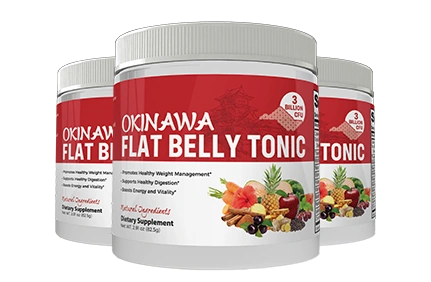
Flat Belly Tonic brings both sides together in a single morning drink: prebiotic inulin to feed your bacteria, a 3-billion-CFU probiotic culture to add live microbes, and a polyphenol blend of hibiscus, green tea, aronia and mulberry. For a closer look at those plants, read our guide to hibiscus, green tea and probiotics for metabolism, or see the full ingredients section.
Make gut support a daily habit
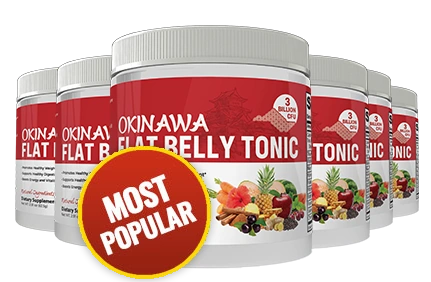
Flat Belly Tonic is a once-daily morning drink pairing prebiotic inulin and a probiotic culture with antioxidant plants and culinary botanicals. The six-jar bundle is the best value at $49 per jar, with free U.S. shipping and a 90-day guarantee.
Check today’s Flat Belly Tonic pricing — from $49/jarWhat are the benefits of inulin fibre?
Inulin fibre benefits the gut by acting as a prebiotic that friendly bacteria ferment into short-chain fatty acids, the compounds that help support a comfortable, regular gut. Because inulin is not digested higher up, it reaches the large intestine intact, where the fermentation happens. Two practical points follow: inulin can help support everyday digestive comfort as part of a fibre-rich diet, and it should be introduced gradually, because too much too fast can cause temporary gas while your microbes adjust.
How do you build a simple gut-health routine?
The best routine is the one you will keep. Rather than overhauling your diet overnight — which tends to backfire with bloating — stack one small habit at a time:
- Add one extra vegetable or bean to your two largest meals.
- Include a small fermented portion daily — yoghurt, kefir or a spoon of sauerkraut.
- Increase fibre gradually and drink more water as you do.
- Take a 10-minute walk after your biggest meal to aid digestion.
- Widen your plant range — count herbs, spices and seeds toward your weekly variety.
- Keep a steady morning ritual — for Flat Belly Tonic, one scoop of inulin plus probiotics mixed into water or a smoothie.
Which gut-health habits work fastest?
A “fast” habit is one you feel within a day or two; a “slow” habit reshapes the diversity of your microbiome over weeks. Both matter. This table sorts the core habits by how quickly they help and how much effort they ask.
| Habit | Typical time to notice | Everyday effort |
|---|---|---|
| Drink more water with fibre | Same day | Low |
| 10-minute walk after a meal | Same day | Low |
| Small daily fermented portion | Days | Low |
| Add prebiotics (e.g. inulin) gradually | Days to weeks | Low |
| Widen plant diversity weekly | Weeks | Medium |
| Consistent whole-food eating | Weeks to months | Higher |
Because prebiotic and probiotic routines build gradually, most people choose a multi-month supply so they do not run out mid-routine — compare the packages and pricing on the homepage.
When should you talk to a doctor?
Natural gut-health habits are for supporting everyday comfort in generally healthy adults; they are not a replacement for medical care. Speak with your doctor if you are pregnant or nursing, under 18, take any medication, have a diagnosed digestive condition, or notice persistent symptoms such as ongoing pain, unexplained weight change, blood in the stool, or bloating that will not settle. Prebiotics and high-fibre foods can feel uncomfortable for people with certain conditions, so a quick conversation ensures anything you add fits safely with your care.
A few neighbouring topics fill in the rest of the picture. Readers who want to go further will find how polyphenols actually work in the body handled separately, including absorption, gut metabolism and why bioavailability varies so much between people.
Frequently asked questions
How do you support gut health naturally?
Support gut health naturally by eating a wide diversity of plants for fibre, adding fermented foods for live cultures, feeding good bacteria with prebiotics such as inulin, staying hydrated and active, and protecting sleep. Consistency across these ordinary habits matters more than any single food or supplement.
What is the difference between prebiotics and probiotics?
Probiotics are live beneficial bacteria found in fermented foods and supplements, while prebiotics are the fibres, such as inulin, that feed those bacteria. You need both: probiotics add helpful microbes and prebiotics give them something to eat, which is why the two are often paired.
What are the benefits of inulin fibre for the gut?
Inulin is a prebiotic fibre that friendly gut bacteria ferment into short-chain fatty acids, which help support a comfortable, well-fed gut and regular digestion. Because it is fermentable, it is best introduced gradually and with plenty of water to let your gut adjust.
Does Flat Belly Tonic support gut health?
Flat Belly Tonic includes prebiotic inulin alongside a 3-billion-CFU probiotic culture and antioxidant plants, so it can support an everyday gut-health routine. It is a food-based supplement to a fibre-rich diet, not a treatment for any digestive condition, and medication users should ask a doctor first.
How long does it take to improve gut health?
Small comfort changes from more fibre, water and a post-meal walk can show within days, while a more diverse microbiome usually shifts over several weeks of consistent eating. Probiotic and prebiotic routines build gradually, and individual results vary.
Can too much fibre upset your stomach?
Yes. Increasing fibre or prebiotics too quickly can cause gas and bloating while your gut bacteria adjust. Add fibre-rich foods and prebiotic supplements gradually, drink more water, and give your gut a couple of weeks to settle into the new routine.
Try Flat Belly Tonic risk-free for 90 days →
Flat Belly Tonic is a dietary supplement, not a treatment for any medical condition. These statements have not been evaluated by the Food and Drug Administration. This product is not intended to diagnose, treat, cure or prevent any disease. Always consult a qualified healthcare professional about your individual needs.
References & further reading
- National Center for Complementary and Integrative Health (NCCIH). Probiotics: What You Need To Know. nccih.nih.gov/health/probiotics-what-you-need-to-know
- National Institutes of Health, Office of Dietary Supplements. Probiotics — Fact Sheet for Health Professionals. ods.od.nih.gov/factsheets/Probiotics-HealthProfessional
- Gibson G.R. et al. “Selective stimulation of bifidobacteria in the human colon by oligofructose and inulin.” Gastroenterology, 1995. pubmed.ncbi.nlm.nih.gov/7698613
- Mayo Clinic. Dietary fiber: Essential for a healthy diet. mayoclinic.org — fiber
- Examine.com. Inulin — evidence-based summary. examine.com/supplements/inulin
These references describe the ingredients and habits in general terms and do not constitute evidence that any product treats, cures or prevents any condition.
Keep reading: the best morning habits for a flatter belly · how hibiscus, green tea and probiotics work · the full Flat Belly Tonic review · back to the blog.