How polyphenols work for weight loss: the Flat Belly Tonic science guide

Updated August 2026 · reviewed by the Flat Belly Tonic Research Team. We are an independent information resource, not a medical provider, and this article is educational rather than medical advice.
Polyphenols are natural compounds found in plants — in tea, berries, herbs and colourful fruit — that act mainly as antioxidants in the body. When people ask how polyphenols work for weight loss, the honest answer is that they play a supporting role: they help the body handle everyday oxidative stress, may steady blood-sugar responses after meals, and feed friendly gut bacteria. They are a helper within a balanced diet, not a fat-burning drug.
How polyphenols relate to weight and metabolism, in one place.
- What they are
- Plant antioxidants — families like flavonoids, catechins and anthocyanins — that give fruit, tea and flowers their colour and character.
- How they may help
- Indirectly: supporting antioxidant balance, healthy post-meal blood sugar and a well-fed gut, rather than burning fat directly.
- Best sources
- Green tea, berries, hibiscus, cocoa, herbs and spices — a colourful, varied plant diet supplies the widest range.
- Where a tonic fits
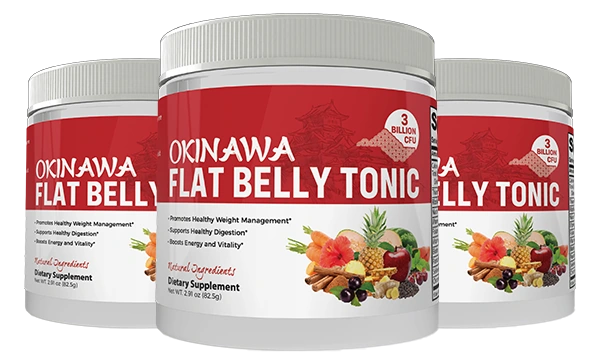
- A blend such as Flat Belly Tonic concentrates hibiscus, green tea, aronia and mulberry into one daily drink — a convenience, not a cure.
If you have heard that green tea, blueberries or dark chocolate are “good for your metabolism,” you have met polyphenols — one of the most studied, and most over-hyped, groups of compounds in nutrition. This guide explains what polyphenols and anthocyanins are, what the research shows, and how a food-based formula like Flat Belly Tonic brings several together in one morning drink.
What are polyphenols, exactly?
Polyphenols are a large family of naturally occurring plant compounds — more than eight thousand identified — that plants make to protect themselves from sunlight, pests and stress. In our diet they arrive through fruit, vegetables, whole grains, tea, coffee, herbs, spices and cocoa. Because they are built to neutralise reactive molecules in plants, many behave as antioxidants once we eat them, which is the root of the interest in their metabolic role.
Are polyphenols the same as plant antioxidants?
Most polyphenols are plant antioxidants, but not every antioxidant is a polyphenol. Antioxidant is a job description — a molecule that helps neutralise unstable free radicals — and vitamins C and E do that job too. Polyphenols are a chemical family that happens to be very good at it, which is usually why a berry gets called “rich in antioxidants.”
What are the main families of polyphenols?
The main families of polyphenols are flavonoids, phenolic acids, stilbenes and lignans — and flavonoids alone include the catechins in green tea and the anthocyanins in berries. This is why one varied diet delivers dozens of compounds at once: an orange, a cup of tea and a handful of aronia berries each contribute a different slice of the spectrum.
The mechanism is less about antioxidant capacity in a test tube and more about what survives digestion. Comprehensive reviews of dietary polyphenols describe extensive metabolism by gut bacteria and the liver, with the resulting metabolites — not the parent compounds — doing most of the biological work (Del Rio D. et al. “Dietary (poly)phenolics in human health: structures, bioavailability, and evidence of protective effects against chronic diseases.” Antioxidants & Redox Signaling, 2013). Anthocyanins specifically have been reviewed for cardiometabolic outcomes, with plausible mechanisms and highly variable absorption between individuals (Wallace T.C. “Anthocyanins in cardiovascular disease.” Advances in Nutrition, 2011).
How do polyphenols work for weight loss?
Polyphenols work for weight management indirectly: instead of burning fat on their own, they may improve the background conditions in which the body manages weight. Most of the strong evidence comes from laboratory and animal work, with human results that are promising but modest. Here is the honest picture, mechanism by mechanism.
| Proposed mechanism | What it means in plain language | Strength of human evidence |
|---|---|---|
| Antioxidant support | Helping the body handle oxidative stress that accompanies excess weight | Consistent for markers; indirect for weight |
| Post-meal blood sugar | May slow the rise in blood sugar after a carbohydrate-heavy meal | Emerging, generally mild |
| Gut microbiome | Acting as food for beneficial bacteria that ferment them into helpful compounds | Active area of research |
| Fat metabolism signals | Green-tea catechins studied for a small effect on energy use | Small and inconsistent |
Every mechanism is a nudge, not a lever. This is why sober sources such as the National Center for Complementary and Integrative Health describe polyphenol-rich foods as part of a healthy pattern rather than a weight-loss treatment. Their role is to make a good diet a little better, not to override a poor one.

We unpack supporting gut health day to day on its own page, right down to fiber diversity, prebiotics and what live cultures can and cannot do.
How do anthocyanins support metabolism?
Anthocyanins are the red, purple and blue polyphenol pigments that colour berries, hibiscus flowers and mulberry, and they are among the most studied polyphenols for metabolic wellness. In the lab they show strong antioxidant behaviour, and a growing number of small human studies link anthocyanin-rich foods to healthy blood-sugar and blood-fat responses. The sensible reading: anthocyanins are one reason a diet full of deeply coloured plants tends to support metabolic health — not a shortcut that works in isolation.
Why are darkly coloured plants worth eating?
Deeply coloured plants are worth eating because colour is a rough guide to anthocyanin content: the darker the berry, the more of these pigments it usually carries. Aronia (chokeberry) is one of the richest known sources, which is why it sits in Flat Belly Tonic alongside hibiscus and mulberry. See our dives on aronia berry antioxidants and green tea and EGCG.
See the exact dose in Flat Belly Tonic →
Which polyphenol plants are in Flat Belly Tonic?
Flat Belly Tonic is built around four classic polyphenol plants — hibiscus, green tea, aronia berry and mulberry — combined with culinary botanicals and a probiotic culture. A single morning scoop delivers both catechins and anthocyanins you would otherwise assemble from several foods, as the table below shows.
| Plant in Flat Belly Tonic | Main polyphenol contribution | Traditional / general role |
|---|---|---|
| Hibiscus | Anthocyanins & phenolic acids | A tart antioxidant tea enjoyed for centuries as a refreshing drink. |
| Green tea | Catechins (including EGCG) | Widely studied for general metabolic wellness and a rich natural antioxidant source. |
| Aronia berry | Among the richest anthocyanin sources | A deeply coloured chokeberry used in juices and traditional preparations. |
| Mulberry | Anthocyanins & other flavonoids | A fruit and leaf long used in traditional food and tea. |
Alongside this core sits a metabolic blend of cinnamon, ginger, turmeric and shilajit, and a digestive blend of prebiotic inulin with a 3-billion-CFU probiotic culture — the gut-friendly side of the story, since friendly bacteria help ferment polyphenols into their useful forms. See the ingredients section or our guide to hibiscus, green tea and probiotics.
Get your polyphenols in one scoop
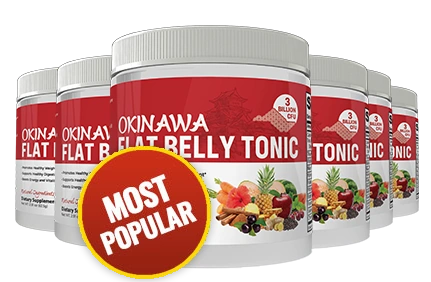
Flat Belly Tonic pairs four antioxidant plants with culinary botanicals and probiotics in one daily drink. The six-jar bundle is the best value at $49 per jar, with free U.S. shipping and a 90-day guarantee.
Check today’s Flat Belly Tonic pricing — from $49/jarCan you get enough polyphenols from food alone?
Yes — a varied, colourful diet is the best polyphenol supplement there is, and food comes first. Green tea, berries, dark chocolate, herbs and spices supply a wider range of compounds than any single capsule. The catch is variety: most people eat the same few plants on repeat, which narrows the spectrum they take in.
Where does a daily blend actually help?
A daily blend helps mainly with convenience and consistency, not with doing something food cannot. Concentrating hibiscus, green tea, aronia and mulberry into one scoop makes it easier to include deeply coloured plants every day. Think of Flat Belly Tonic as a way to top up variety — layered on top of, never instead of, a plate full of vegetables and fruit.
What does the research honestly show?
The honest state of the research is that polyphenols are strongly linked to health in population studies but show smaller, more mixed effects in controlled human trials of weight. Diets rich in polyphenol foods — the Mediterranean pattern is the classic example — are associated with better metabolic health, yet isolating a single polyphenol and expecting it to move the scale usually disappoints. That gap between diet and single compound is why we describe these plants as support, not solutions.
Where the evidence is weakest, we say so: claims that any polyphenol “melts fat” or replaces diet and activity are not supported. Where it is more encouraging, in antioxidant activity and gut-microbiome interactions, the effects are real but modest and build gradually.
When should you talk to a doctor?
Polyphenol-rich foods and blends are intended for generally healthy adults and are not a substitute for medical care. Speak with your doctor before adding a concentrated botanical product if you are pregnant or nursing, under 18, take any medication (green tea and other botanicals can interact with some drugs), or have a diagnosed condition.
Frequently asked questions
How do polyphenols work for weight loss?
Polyphenols are plant compounds that act mainly as antioxidants, and research suggests they may support weight management indirectly — by helping the body handle oxidative stress, supporting healthy post-meal blood sugar, and feeding beneficial gut bacteria. They are a supporting factor within a balanced diet, not a fat-burning drug, and the human evidence is modest.
What are anthocyanins and how do they affect metabolism?
Anthocyanins are the red, purple and blue polyphenol pigments found in berries such as aronia and in hibiscus and mulberry. Laboratory and early human studies link anthocyanin-rich foods to healthy antioxidant and blood-sugar responses, though they are best viewed as part of an overall pattern of colourful plant eating rather than a standalone metabolism booster.
Are polyphenols the same as antioxidants?
Not exactly. Polyphenols are a large family of plant compounds, and many of them behave as antioxidants in the body, but antioxidant also describes vitamins C and E and other molecules. So most polyphenols are antioxidants, but not every antioxidant is a polyphenol.
Which polyphenol plants are in Flat Belly Tonic?
Flat Belly Tonic centres on a polyphenol blend of hibiscus, green tea, aronia berry and mulberry, alongside culinary botanicals such as cinnamon, ginger and turmeric, and a probiotic and prebiotic digestive blend. Together these supply a mix of anthocyanins and catechins in a single once-daily drink.
Can you get enough polyphenols from food alone?
Yes — a varied diet rich in colourful fruit, vegetables, tea, herbs and spices supplies a wide range of polyphenols, and food should always come first. A concentrated blend like Flat Belly Tonic is a convenient way to add specific antioxidant plants to a routine, not a replacement for eating plants.
Is Flat Belly Tonic a weight-loss drug?
No. Flat Belly Tonic is a dietary supplement, not a drug, and it is not intended to diagnose, treat, cure or prevent any disease. It is designed to complement a balanced diet and active lifestyle, and people who take medication should speak with a doctor first.
Try Flat Belly Tonic risk-free for 90 days →
Flat Belly Tonic is a dietary supplement, not a treatment for any medical condition. These statements have not been evaluated by the Food and Drug Administration. This product is not intended to diagnose, treat, cure or prevent any disease. Always consult a qualified healthcare professional about your individual needs.
References & further reading
- National Center for Complementary and Integrative Health (NCCIH). Antioxidants: In Depth. nccih.nih.gov/health/antioxidants-in-depth
- National Center for Complementary and Integrative Health (NCCIH). Green Tea. nccih.nih.gov/health/green-tea
- Del Rio D. et al. “Dietary (poly)phenolics in human health: structures, bioavailability, and evidence of protective effects against chronic diseases.” Antioxidants & Redox Signaling, 2013. pubmed.ncbi.nlm.nih.gov/22794138
- Wallace T.C. “Anthocyanins in cardiovascular disease.” Advances in Nutrition, 2011. pubmed.ncbi.nlm.nih.gov/22211184
- Examine.com. Green tea catechins — evidence-based summary. examine.com/supplements/green-tea-catechins
- Harvard T.H. Chan School of Public Health. The Nutrition Source: Antioxidants. hsph.harvard.edu/nutritionsource/antioxidants
These references describe polyphenols, anthocyanins and the ingredients in general terms and do not constitute evidence that any product treats, cures or prevents any condition.
Keep reading: how green tea and EGCG work · aronia berry and antioxidants · hibiscus, green tea and probiotics · back to the Flat Belly Tonic blog · homepage.