Green tea EGCG for weight loss: the Flat Belly Tonic ingredient deep-dive

Updated August 2026 · reviewed by the Flat Belly Tonic Research Team. We are an independent information resource, not a medical provider, and this article is educational rather than medical advice.
Green tea EGCG is epigallocatechin gallate — the most abundant antioxidant catechin in the Camellia sinensis leaf, and the compound most often named when people connect green tea with metabolism. In Flat Belly Tonic it appears as green tea leaf extract inside the polyphenol blend, poured as a morning drink rather than swallowed as an isolated high-dose capsule.
What green tea EGCG actually is, and how it fits into Flat Belly Tonic.
- What it is
- EGCG is the headline catechin in green tea — a plant antioxidant from the Camellia sinensis leaf.
- The honest evidence
- Studies on green tea catechins and body weight are mixed and usually show small effects, often alongside caffeine, diet and movement.
- How Flat Belly Tonic uses it
- As food-based green tea leaf extract in a polyphenol blend, at a sensible everyday amount, not a mega-dose pill.
- Why a drink
- A morning glass with water is easy to keep up and gentler than a concentrated fasted-state extract.
Green tea is one of the oldest wellness drinks in the world, and EGCG gets most of the credit. This guide separates what the antioxidant genuinely is from what marketing promises, and shows how Flat Belly Tonic delivers it. For the wider blend, see our piece on hibiscus, green tea and probiotics.
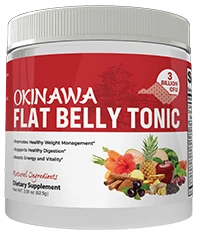
What is EGCG in green tea?
EGCG, short for epigallocatechin gallate, is the most abundant and most studied catechin in green tea — a family of plant antioxidants called flavonoids. When fresh Camellia sinensis leaves are steamed or pan-fired rather than fully oxidised, they keep a high level of these catechins, and EGCG makes up the largest share — the antioxidant fingerprint of a cup of green tea.
Antioxidants like EGCG are studied for how they interact with everyday oxidative stress — the ordinary wear-and-tear of normal metabolism — which is why green tea shows up so often in metabolic-wellness conversations. Being an antioxidant is a chemical property, though, not a promise of weight loss, and no single molecule reshapes the body on its own.
The honest summary of the EGCG literature is “real but small”. A meta-analysis of green tea preparations found modest effects on weight loss and weight maintenance (Hursel R. et al. “The effects of green tea on weight loss and weight maintenance: a meta-analysis.” International Journal of Obesity, 2009); a controlled trial pairing catechin-rich green tea with exercise reported greater abdominal fat loss than exercise alone, though the difference was measured in fractions of a kilogram (Maki K.C. et al. “Green tea catechin consumption enhances exercise-induced abdominal fat loss in overweight and obese adults.” Journal of Nutrition, 2009).
How is green tea EGCG traditionally linked to metabolism?
The link between green tea and metabolism is mostly a story of catechins and caffeine working side by side in a warm, low-calorie drink. Cultures across East Asia have used green tea for centuries as a daily beverage taken around meals; modern interest simply put a name — EGCG — to the compound behind the tradition.
Why do people connect EGCG with fat metabolism?
Researchers have explored whether green tea catechins interact with the pathways involved in how the body handles fat and energy, often alongside the small amount of natural caffeine in the leaf. Much of the early enthusiasm came from laboratory and short-term studies, which is why the everyday takeaway should stay modest: interesting signals, small real-world effects.
Is green tea an antioxidant powerhouse?
Green tea is genuinely rich in antioxidants, and EGCG is a big reason why — a fair, evidence-backed statement about the plant. The leap marketing sometimes makes, from “rich in antioxidants” to “melts belly fat,” is not supported, and Flat Belly Tonic does not make it. The tonic treats green tea as a quality antioxidant plant that belongs in a daily routine, nothing more dramatic.
If you want the longer version of that argument, our guide to mulberry leaf and blood sugar covers the post-meal glucose data behind the leaf.
What does the research actually say about green tea EGCG for weight loss?
The honest summary is that evidence for green tea catechins and weight is mixed and generally shows small effects. Reviews from bodies such as the U.S. National Center for Complementary and Integrative Health note that any weight effects with green tea are modest and inconsistent. EGCG is a supporting cast member, not a lead.
| Claim you may have read | What the evidence actually supports |
|---|---|
| “Green tea burns belly fat” | Small, inconsistent effects on body weight in studies, often only with caffeine, diet and exercise together. |
| “EGCG massively boosts metabolism” | Short-term changes in energy use have been measured, but real-world weight change is minor. |
| “Green tea is a rich antioxidant source” | Well supported — green tea and EGCG are genuinely high in catechin antioxidants. |
| “A tonic replaces diet and activity” | Not supported — food and movement remain the biggest levers for a steady weight. |
The honest role for EGCG is a helpful antioxidant habit inside a broader routine of whole foods, movement and sleep — which is exactly how a food-based formula should present it.
Why does Flat Belly Tonic deliver EGCG as a morning drink instead of a capsule?
Flat Belly Tonic delivers green tea EGCG as food-based leaf extract in a once-daily drink because that format is easy to sustain, sensible in dose, and gentle on the stomach. A morning glass slots into a habit people already have, where an isolated capsule is easy to forget.
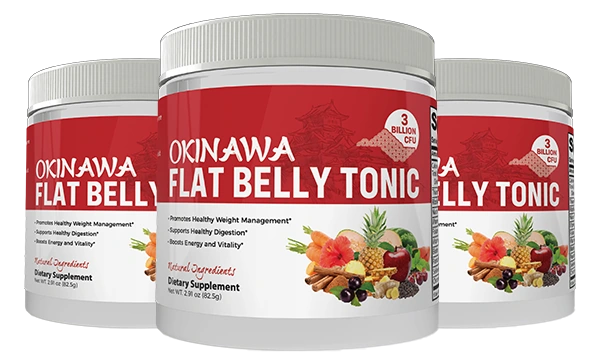
Is a drink gentler than a high-dose EGCG pill?
Very high-dose isolated EGCG extracts, especially on an empty stomach, have been linked in rare cases to liver concerns, which is why moderate, food-based amounts taken with a drink are the more sensible everyday choice. Flat Belly Tonic keeps green tea at a food-level presence and pairs it with other plants rather than concentrating a single catechin to extremes.
What else is in the polyphenol blend?
Green tea does not work alone in the glass. It sits beside hibiscus, aronia berry and mulberry in the polyphenol blend, with cinnamon, ginger, turmeric and shilajit in the metabolic blend and inulin plus a probiotic culture in the digestive blend. See the full ingredients section for the list.
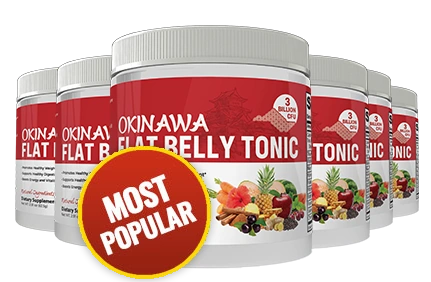
See the exact dose in Flat Belly Tonic
Flat Belly Tonic pours green tea leaf extract into a once-daily polyphenol blend with hibiscus, botanicals and probiotics. The six-jar bundle is the best value at $49 per jar, with free U.S. shipping and a 90-day guarantee.
Check today’s Flat Belly Tonic pricing — from $49/jarWhat is Camellia sinensis, and where does EGCG come from?
Camellia sinensis is the single evergreen shrub whose leaves become green, black, white and oolong tea — the difference is processing, not species. Green tea keeps the most EGCG because its leaves are heated quickly to limit oxidation, locking in catechins that darker teas lose. A label reading “green tea leaf extract” simply names a concentrated form of those same catechins, EGCG chief among them.
The benefits people associate with Camellia sinensis are best thought of as the benefits of a good daily beverage habit, and Flat Belly Tonic places that heritage in a modern morning format. To see where it fits a wider routine, our guide to supporting healthy weight management naturally puts diet, movement and supplements in order of importance.
How much green tea EGCG should you have, and how do you use it?
A sensible approach to EGCG is a moderate, food-based amount taken with a meal or a drink, rather than a large isolated dose on an empty stomach. Green tea as a beverage is widely enjoyed and well tolerated; the caution sits with concentrated fasted-state extracts. The table below sorts the common formats.
| Format | Typical EGCG level | Everyday notes |
|---|---|---|
| Brewed green tea | Low to moderate per cup | Hydrating, gentle, easy to enjoy through the day. |
| Green tea in a morning tonic | Moderate, food-based | How Flat Belly Tonic uses it — blended with other polyphenols and taken with water. |
| Isolated EGCG capsule | High, concentrated | Use with care, ideally with food; high fasted doses carry rare liver concerns. |
For Flat Belly Tonic, the routine is simple: one scoop mixed into water or a smoothie each morning. Because botanical routines build gradually, most people choose a multi-month supply so they do not run out mid-habit — compare the packages and pricing on the homepage.
Is green tea EGCG safe, and when should you talk to a doctor?
Green tea as an everyday drink is widely consumed and well tolerated, but concentrated EGCG is a different matter and deserves respect. Speak with your doctor before adding any green tea extract if you are pregnant or nursing, under 18, take any medication, have a liver condition or are sensitive to caffeine — standard, sensible caution rather than a warning specific to the tonic.
Flat Belly Tonic is a dietary supplement designed to support a healthy-weight routine, not a drug or a treatment for any condition. It works best beside the habits that do the heavy lifting — whole foods, daily movement and steady sleep — which our post on the best morning habits for a flatter belly lays out in full.
See the exact dose in Flat Belly Tonic →
None of this sits in isolation. That thread is picked up in more depth in our piece on garcinia cambogia set against a food-based tonic, which works through why the hydroxycitric acid trials disappointed.
Frequently asked questions
What is EGCG in green tea?
EGCG (epigallocatechin gallate) is the most abundant and most studied catechin - a plant antioxidant - in green tea made from the Camellia sinensis leaf. It is the compound most often discussed when people talk about green tea and metabolism.
Does green tea EGCG burn belly fat?
Research on green tea catechins and body weight is mixed and mostly shows small effects, often alongside caffeine, diet and activity. EGCG is best understood as a supporting antioxidant within a healthy routine, not a fat-burning drug or a treatment for any condition.
How much EGCG is in Flat Belly Tonic?
Flat Belly Tonic includes green tea leaf extract as part of its polyphenol blend, delivered as a once-daily morning drink rather than a high-dose isolated capsule. For the exact amount per scoop, check the current supplement facts panel on the product page.
Why deliver EGCG as a drink instead of a capsule?
A morning drink pairs green tea with other food-based polyphenols and is taken with water at a sensible everyday amount, which many people find easier to keep up than a pill and gentler on the stomach than a concentrated fasted-state extract.
Is green tea EGCG safe?
Green tea as a drink is widely enjoyed and generally well tolerated. Very high-dose isolated EGCG extracts, especially on an empty stomach, have been linked in rare cases to liver concerns, so moderate food-based amounts are sensible and medication users should ask a doctor first.
Can I just drink green tea instead?
You can, and plain green tea is a healthy habit. Flat Belly Tonic simply combines green tea with hibiscus, aronia, mulberry, culinary botanicals and probiotics in one morning glass, which some people prefer to brewing and stacking several ingredients themselves.
Check today’s Flat Belly Tonic pricing →
Flat Belly Tonic is a dietary supplement, not a treatment for any medical condition. These statements have not been evaluated by the Food and Drug Administration. This product is not intended to diagnose, treat, cure or prevent any disease. Always consult a qualified healthcare professional about your individual needs.
References & further reading
- National Center for Complementary and Integrative Health (NCCIH). Green Tea. nccih.nih.gov/health/green-tea
- National Institutes of Health, Office of Dietary Supplements. Dietary Supplements for Weight Loss. ods.od.nih.gov/factsheets/WeightLoss-HealthProfessional
- Hursel R. et al. “The effects of green tea on weight loss and weight maintenance: a meta-analysis.” International Journal of Obesity, 2009. pubmed.ncbi.nlm.nih.gov/19597519
- Examine.com. Green tea catechins (EGCG) — evidence-based summary. examine.com/supplements/green-tea-catechins
- NIH LiverTox / National Library of Medicine. Green Tea — safety of concentrated extracts. ncbi.nlm.nih.gov/books/NBK547925
These references describe green tea, EGCG and general habits and do not constitute evidence that any product treats, cures or prevents any condition.
Keep reading: how hibiscus, green tea and probiotics work · how to support healthy weight management naturally · back to the Flat Belly Tonic blog · homepage.