Aronia berry benefits in Flat Belly Tonic: the antioxidant chokeberry

Published August 2026 · reviewed by the Flat Belly Tonic Research Team. We are an independent information resource, not a medical provider, and this article is educational rather than medical advice.
Aronia berry — botanically Aronia melanocarpa and nicknamed chokeberry — is a small dark-purple fruit that ranks among the most antioxidant-dense foods ever measured, thanks to an unusually high concentration of anthocyanins and other polyphenols. In Flat Belly Tonic it sits inside the polyphenol blend as one of several plant compounds included to support an everyday metabolic-wellness routine, not to treat any condition.
What aronia berry is, and why it earns a place in the blend.
- What it is
- A tart North-American berry (chokeberry) prized for one of the highest anthocyanin contents of any common fruit.
- Key compounds
- Anthocyanins, proanthocyanidins and chlorogenic acids — the polyphenols behind its deep purple colour.
- Why in the tonic
- It adds antioxidant polyphenols to the blend alongside hibiscus, green tea and mulberry for daily support.
- Honest limits
- Aronia is a food, not a drug; it supports a healthy routine and is not a weight-loss treatment.
If you have ever tasted a raw aronia berry, you will not forget it: the mouth-drying astringency is exactly why early settlers called it “chokeberry.” That same astringency is a clue to what makes the fruit interesting, because it comes from a dense load of tannins and pigments that laboratories now measure among the highest of any edible berry. This guide explains what aronia is, what its anthocyanins actually do, and why a measured amount appears in Flat Belly Tonic.
What is aronia berry, and why is it called chokeberry?
Aronia berry is the fruit of Aronia melanocarpa, a hardy shrub native to eastern North America that produces small, glossy, near-black berries in late summer. It earned the folk name chokeberry because eating the raw fruit is intensely astringent — the flavour puckers the mouth. Indigenous peoples used the berries as food and in dried preparations for generations, and the plant later became a popular crop in Eastern Europe, where aronia juice and preserves remain everyday staples. Its deep colour, hardiness and tartness all trace back to the same thing: a remarkable concentration of plant polyphenols.
The numbers behind aronia’s reputation come from compositional analysis rather than marketing: detailed profiling of black chokeberry describes it as one of the richest dietary sources of anthocyanins and procyanidins measured in a common fruit (Sidor A. & Gramza-Michałowska A. “Black chokeberry (Aronia melanocarpa L.) — a qualitative composition, phenolic profile and antioxidant potential.” Molecules, 2019). Its traditional and pharmacological record has been reviewed separately, and that review is candid that human trial data remain limited relative to the laboratory work (Kokotkiewicz A. et al. “Aronia plants: a review of traditional use, biological activities, and perspectives for modern medicine.” Journal of Medicinal Food, 2010).
What are anthocyanins, and how much does aronia contain?
Anthocyanins are the water-soluble blue, red and purple pigments found in berries and other plants, and they belong to the flavonoid family of dietary antioxidants. Aronia is one of the richest natural sources yet catalogued: published compositional analyses report anthocyanin levels ranging from several hundred milligrams to more than 1,000 mg per 100 g of fresh fruit, frequently exceeding blueberries, elderberries and blackberries in the same studies. Alongside anthocyanins, aronia carries proanthocyanidins (condensed tannins) and chlorogenic acids, giving it one of the highest total-polyphenol readings recorded for a common berry.
| Berry | Typical anthocyanins (mg / 100 g) | Notes |
|---|---|---|
| Aronia (chokeberry) | ~450–1,480 | Among the highest measured of any common fruit; very astringent raw. |
| Elderberry | ~200–700 | Also anthocyanin-rich; usually cooked before eating. |
| Blackcurrant | ~130–400 | Tart, widely used in juices and cordials. |
| Blueberry | ~60–300 | Popular and milder; content varies with variety. |
| Strawberry | ~15–75 | Lower anthocyanins, higher vitamin C. |
Figures are approximate ranges compiled from food-composition literature and vary widely with cultivar, ripeness, growing conditions and how the fruit is processed. They illustrate why aronia is described as antioxidant-dense; they are not a claim that any berry treats a condition.
The companion article on mulberry leaf and blood sugar takes up the post-meal glucose data behind the leaf in detail.
What do aronia’s antioxidants actually do?
An antioxidant is simply a molecule that helps neutralise reactive compounds called free radicals, which are a normal by-product of metabolism. In laboratory and test-tube measures of “antioxidant capacity,” aronia extracts score exceptionally high because of their polyphenol density. It is important to be precise about what that means: a high antioxidant score in a test tube is a measure of chemistry, not a guarantee of a specific health outcome in people. Human research on aronia is still developing, and much of it uses concentrated extracts rather than the amounts found in food. The honest summary is that aronia is a genuinely polyphenol-rich food whose everyday role is best understood as part of a varied, plant-forward diet.

Does aronia berry help with weight or metabolism?
Aronia is not a weight-loss drug, and no reputable source frames it as one. It is a food-based polyphenol source that appears in the broader conversation about metabolic wellness because diets rich in colourful plants and flavonoids are associated with generally healthier patterns. Any role aronia plays is supportive and gradual, and it depends far more on your overall diet, activity and sleep than on any single berry. If a product promises that a berry alone melts fat, treat that as a red flag rather than a fact.
Is aronia berry safe to use daily?
Aronia has a long culinary history and is generally well tolerated in normal dietary amounts as juice, powder or whole fruit. Its tannins can bind some minerals and may give a dry, astringent mouthfeel, and concentrated extracts could theoretically interact with certain medications. As with any supplement, people who are pregnant or nursing, under 18, taking medication or managing a diagnosed condition should check with a doctor before adding a concentrated dose.
See the exact dose in Flat Belly Tonic →
How does aronia fit into the Flat Belly Tonic polyphenol blend?
In Flat Belly Tonic, aronia berry is one member of a curated polyphenol blend rather than a stand-alone star. The formula groups its ingredients into three families: a polyphenol blend of hibiscus, green tea, aronia berry and mulberry; a metabolic blend of cinnamon, ginger, turmeric and shilajit; and a digestive blend of prebiotic inulin with a live probiotic culture. Aronia’s job in that line-up is to broaden the range of plant polyphenols in a single daily scoop, complementing the anthocyanins in hibiscus and the catechins in green tea. For the wider picture, see our companion guide to hibiscus, green tea and probiotics for metabolism, or the full ingredients section on the homepage.
| Blend | Example ingredients | Traditional / general role |
|---|---|---|
| Polyphenol blend | Hibiscus, green tea, aronia berry, mulberry | Antioxidant plants rich in anthocyanins and catechins. |
| Metabolic blend | Cinnamon, ginger, turmeric, shilajit | Warming culinary botanicals long used in cooking and folk tonics. |
| Digestive blend | Prebiotic inulin, probiotic culture | Prebiotic fibre and live cultures used to support everyday gut balance. |
Grouping ingredients this way is why a single morning scoop can carry aronia alongside several other well-known plants without asking you to source, measure and blend each one yourself.
Make aronia part of your morning
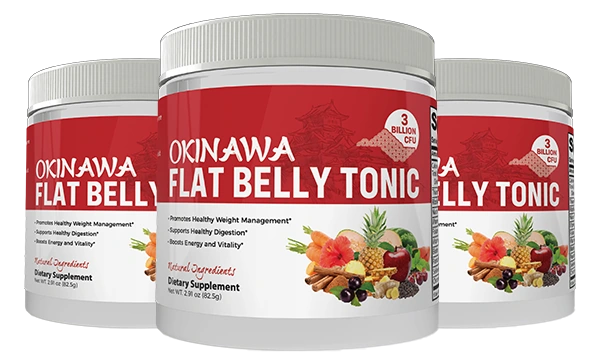
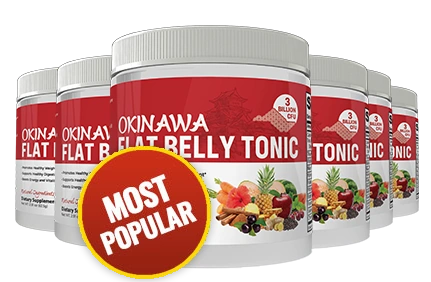
Flat Belly Tonic pairs aronia berry with hibiscus, green tea, culinary botanicals and probiotics in one daily drink. The six-jar bundle is the best value at $49 per jar, with free U.S. shipping and a 90-day guarantee.
Check today’s Flat Belly Tonic pricing — from $49/jarHow can you get more aronia in your diet?
Getting aronia into your day is easier than its raw tartness suggests, because processing tames the astringency while keeping the pigments. The berry travels well as juice, dried powder, preserves and blends, and pairing it with sweeter fruits balances the flavour. A few practical options:
- Aronia juice or concentrate — usually diluted or mixed into other juices for a milder taste.
- Dried aronia or powder — stirred into oats, yoghurt or smoothies.
- Cooked into preserves — jams and compotes, a traditional Eastern-European use.
- As part of a blend — a measured amount in a formula such as Flat Belly Tonic, alongside other polyphenol plants.
Whichever route you choose, aronia is a complement to a plant-forward diet, not a replacement for it. The most reliable way to benefit from any berry’s polyphenols is to eat a colourful variety of fruits and vegetables regularly.
When should you talk to a doctor?
Aronia is a food, and for most healthy adults a normal dietary amount is unremarkable. Even so, a concentrated supplement is different from a handful of berries. Speak with your doctor before adding a concentrated aronia product if you are pregnant or nursing, under 18, take any medication (particularly blood thinners or medicines with a narrow dosing window), have a diagnosed condition, or notice any new or persistent symptoms. A brief conversation makes sure anything you add fits safely with your care.
This question overlaps with several others worth reading alongside it. We unpack cinnamon bark and everyday metabolism on its own page, right down to what the mixed cinnamon trial literature actually shows.
Frequently asked questions
What is aronia berry and why is it called chokeberry?
Aronia berry, or Aronia melanocarpa, is a small dark-purple fruit native to North America, nicknamed chokeberry for its mouth-puckering astringency when eaten raw. That astringency comes from its dense concentration of tannins and anthocyanins, the same polyphenols that make it one of the most antioxidant-rich fruits studied.
What are anthocyanins and how much does aronia contain?
Anthocyanins are the blue-purple plant pigments in berries that act as antioxidants. Aronia is among the richest known dietary sources, with published analyses reporting several hundred to over 1,000 mg of anthocyanins per 100 g of fresh fruit, well above blueberries or elderberries in many samples.
Does aronia berry help with weight loss?
Aronia is not a weight-loss drug and should not be treated as one. It is a polyphenol-rich food studied for general antioxidant and metabolic-wellness support. In Flat Belly Tonic it is one of several plant polyphenols included to support a healthy routine alongside diet and activity, not a treatment for any condition.
How much aronia is in Flat Belly Tonic?
Aronia berry sits inside the Flat Belly Tonic polyphenol blend alongside hibiscus, green tea and mulberry. The exact per-serving amount is listed on the product’s supplement facts panel; check the current label on the official page for the precise figure in your batch.
Is aronia berry safe to take every day?
Aronia has a long history of use as a food and is generally well tolerated in normal dietary amounts. Its tannins can bind some minerals and it may interact with certain medications, so if you are pregnant, nursing, on medication or managing a health condition, ask your doctor before adding a concentrated supplement.
Can I just eat aronia berries instead of a supplement?
Yes, whole aronia berries, juice or powder all deliver anthocyanins, though the raw fruit is very tart. A blend like Flat Belly Tonic simply combines aronia with other polyphenol plants and probiotics in one measured daily scoop, which many people find more convenient than sourcing the fresh fruit.
Try Flat Belly Tonic risk-free for 90 days →
Flat Belly Tonic is a dietary supplement, not a treatment for any medical condition. These statements have not been evaluated by the Food and Drug Administration. This product is not intended to diagnose, treat, cure or prevent any disease. Always consult a qualified healthcare professional about your individual needs.
References & further reading
- National Center for Complementary and Integrative Health (NCCIH). Antioxidants: In Depth. nccih.nih.gov/health/antioxidants-in-depth
- Harvard T.H. Chan School of Public Health, The Nutrition Source. Antioxidants and Flavonoids. nutritionsource.hsph.harvard.edu/antioxidants
- Sidor A. & Gramza-Michałowska A. “Black chokeberry (Aronia melanocarpa L.) — a qualitative composition, phenolic profile and antioxidant potential.” Molecules, 2019. pubmed.ncbi.nlm.nih.gov/31619015
- Kokotkiewicz A. et al. “Aronia plants: a review of traditional use, biological activities, and perspectives for modern medicine.” Journal of Medicinal Food, 2010. pubmed.ncbi.nlm.nih.gov/20170359
- National Institutes of Health, Office of Dietary Supplements. Dietary Supplements for Weight Loss. ods.od.nih.gov/factsheets/WeightLoss-HealthProfessional
These references describe aronia and its polyphenols in general terms and do not constitute evidence that any product treats, cures or prevents any condition.
Keep reading: how hibiscus, green tea and probiotics work · the best morning habits for a flatter belly · supporting healthy weight management naturally · back to the Flat Belly Tonic blog · homepage.