Cinnamon bark for metabolism: the warming spice in Flat Belly Tonic

Updated August 2026 · reviewed by the Flat Belly Tonic Research Team. We are an independent information resource, not a medical provider, and this article is educational rather than medical advice.
Cinnamon bark for metabolism refers to the use of the aromatic inner bark of the Cinnamomum tree — the same spice in your kitchen cupboard — as a warming culinary botanical studied in the context of everyday metabolic wellness. In Flat Belly Tonic it is one of several plants in a warming metabolic blend, valued for its polyphenols and long culinary heritage rather than as a treatment for any condition.
Does cinnamon bark do anything for metabolism? Here is the honest version.
- What it is
- The dried inner bark of the cinnamon tree, rich in aromatic polyphenols such as cinnamaldehyde and procyanidins.
- The evidence
- Small human trials are interesting but mixed; cinnamon is best treated as a supportive spice, not a proven metabolism booster.
- Why the tonic uses it
- Flat Belly Tonic pairs cinnamon with ginger and turmeric so the daily scoop draws on a range of warming botanicals, not one spice.
- How to use it
- As a pleasant daily habit — in food, or as one measured scoop of tonic — alongside the fibre, protein and movement that do the heavy lifting.
Few kitchen spices carry as much folklore as cinnamon, which has scented tonics and teas for thousands of years and keeps reappearing in the modern conversation about metabolism. This ingredient spotlight looks at what cinnamon bark actually is, what the research does and does not show, and why Flat Belly Tonic places it in a warming trio with ginger and turmeric rather than leaning on it alone.
What is cinnamon bark, and how is it linked to metabolism?
Cinnamon bark is the dried inner bark of evergreen Cinnamomum trees, cured and rolled into the familiar quills before it is ground into spice. Its warmth and aroma come from a family of aromatic plant compounds — most famously cinnamaldehyde, along with polyphenols such as procyanidins and cinnamic acid. These compounds are why cinnamon is studied at all in the metabolic space: polyphenol-rich plants are a recurring theme in everyday metabolic-wellness research.
It helps to separate two ideas. Cinnamon is a genuinely interesting source of dietary polyphenols, the same category that makes berries, green tea and cocoa appealing. That is different from claiming cinnamon reliably changes body weight or blood sugar. The honest position is that cinnamon bark is a nutrient-dense, aromatic food ingredient with a supportive role.
Cassia or Ceylon — does the type matter?
The two cinnamons on the market are not identical. Cassia cinnamon (from Cinnamomum cassia and relatives) is the bolder, cheaper, more common variety, while Ceylon or “true” cinnamon (Cinnamomum verum) is milder. The practical difference is coumarin, a natural compound found in much higher amounts in cassia; because very large daily intakes are worth limiting, the type and the amount both matter when cinnamon is concentrated in a supplement.
Cinnamon is the ingredient where honest reporting matters most, because the literature genuinely conflicts. An early controlled trial reported improvements in glucose and lipid markers with cinnamon over forty days (Khan A. et al. “Cinnamon improves glucose and lipids of people with type 2 diabetes.” Diabetes Care, 2003), but an updated systematic review and meta-analysis of the pooled trials concluded the evidence was inconsistent and insufficient to recommend cinnamon as a treatment for anything (Allen R.W. et al. “Cinnamon use in type 2 diabetes: an updated systematic review and meta-analysis.” Annals of Family Medicine, 2013). Both findings are real; the second is the one that should shape expectations.
Why does Flat Belly Tonic include cinnamon bark?
Flat Belly Tonic includes cinnamon bark because it is a well-loved, polyphenol-rich culinary spice that fits naturally into a warming metabolic blend. The formula is built on the principle that a variety of food-based botanicals in one daily drink is more useful than a single “hero” ingredient. Cinnamon brings aroma, tradition and its own polyphenol profile; the other plants in the blend bring theirs.
Inside Flat Belly Tonic, cinnamon sits in the metabolic blend with ginger, turmeric and shilajit, which works with a polyphenol blend of hibiscus, green tea, aronia and mulberry, and a digestive blend of prebiotic inulin plus a probiotic culture. The idea is layered support for a morning routine, not a stimulant and not a drug. You can read how the antioxidant side works in our companion piece on hibiscus, green tea and probiotics.
What does the warming sensation actually do?
The gentle warmth people associate with cinnamon and ginger is largely a sensory experience — these are, after all, the spices of mulled drinks and chai. That comforting quality is one reason warming spices have anchored traditional tonics for centuries: a drink you enjoy is a drink you will keep drinking, and consistency is what makes a morning ritual worthwhile.
The companion article on ginger for digestion and bloating takes up the gastric-emptying evidence behind the root in detail.
What does the research really say about cinnamon and metabolism?
The research on cinnamon and metabolism is genuinely mixed, and any honest summary has to say so. Some small human trials have reported modest effects on post-meal measures; others have found little. Reviews from bodies such as the National Center for Complementary and Integrative Health note that studies are often small, short and inconsistent, which is why cinnamon is not recommended as a stand-alone remedy for any condition. The table below frames the state of the evidence rather than overselling it.
| Cinnamon compound / property | Why it is discussed | Evidence maturity |
|---|---|---|
| Cinnamaldehyde | The main aromatic oil giving cinnamon its scent and warmth | Mostly laboratory and animal work; early in humans |
| Procyanidins & polyphenols | Antioxidant plant compounds shared with berries and cocoa | General nutrition interest; not condition-specific |
| Post-meal comfort | Small trials in the context of everyday metabolic wellness | Mixed, small and short-duration studies |
| Coumarin (cassia) | Safety consideration at high daily intakes | Well established — a reason to watch the dose |
The takeaway is proportion. Cinnamon is a useful food ingredient with a real polyphenol profile, and it is reasonable to enjoy daily — but it is not a shortcut, and neither is any tonic that contains it. The foundational levers — fibre, protein, movement and sleep — still do the real work, as we cover in how to support healthy weight management naturally.
Why pair cinnamon with ginger and turmeric?
Cinnamon, ginger and turmeric are the classic warming culinary spices, and pairing them lets a single scoop draw on three families of aromatic plant compounds instead of one: ginger contributes gingerols and shogaols, turmeric contributes curcuminoids, and cinnamon contributes cinnamaldehyde and procyanidins. From Ayurvedic golden milk to spiced teas, these three have been combined for generations, and Flat Belly Tonic follows that culinary logic.
The benefit of a blend is breadth. No single spice is a magic ingredient, so a small, sensible variety spreads the bet across well-loved, food-grade botanicals — and makes the drink taste like something you would want each morning.

See the exact dose in Flat Belly Tonic →
How much cinnamon is in Flat Belly Tonic, and how do you use it?
Flat Belly Tonic delivers cinnamon bark as part of a once-daily scoop rather than a stand-alone capsule, so cinnamon shares the scoop with ginger, turmeric, shilajit and the polyphenol and digestive ingredients. For the precise amount per serving, the current supplement facts panel on the official product page is always the authority, since formulas can be refreshed over time. The table below sets everyday cinnamon habits side by side.
| Way to use cinnamon | What it looks like | Best for |
|---|---|---|
| Sprinkled on food | Oats, yoghurt, coffee, roasted fruit | Flavour and a pleasant daily habit |
| Home-brewed cinnamon tea | A quill steeped in hot water | A warming, no-calorie drink |
| Single-spice supplement | Cinnamon capsules on their own | People who want cinnamon only |
| Blended tonic | One scoop of Flat Belly Tonic in water | Cinnamon plus other botanicals in one step |
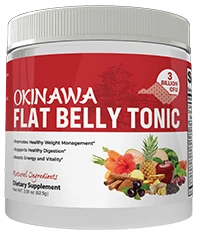
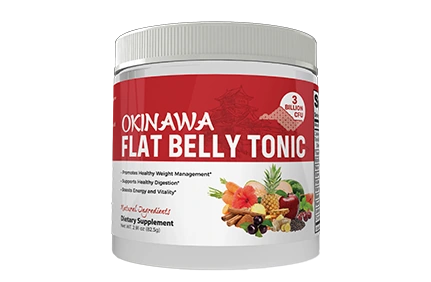
Using Flat Belly Tonic is simple: mix one scoop into water or a smoothie in the morning, and pair it with the everyday habits that matter most. Most people choose a multi-month supply so a warming routine has time to settle in — compare the packages and pricing on the homepage.
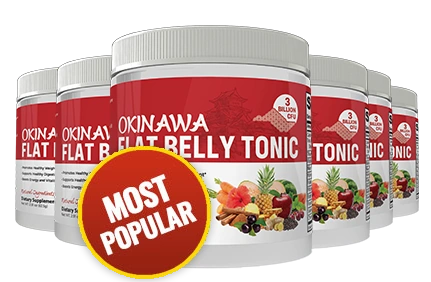
Make the warming ritual a daily one
Flat Belly Tonic is a once-daily morning drink pairing cinnamon, ginger and turmeric with antioxidant plants and probiotics. The six-jar bundle is the best value at $49 per jar, with free U.S. shipping and a 90-day guarantee.
Check today’s Flat Belly Tonic pricing — from $49/jarIs cinnamon bark safe to take every day?
Cinnamon used as a food or in modest supplement amounts is generally well tolerated by healthy adults, which is why it has seasoned daily cooking for millennia. The one caveat worth knowing is coumarin in cassia cinnamon: very large daily intakes are best avoided, so concentrated single-spice cinnamon should be dosed sensibly. As a food-grade botanical in a balanced blend, cinnamon is a gentle everyday ingredient.
Individual circumstances come first. Speak with your doctor before adding concentrated cinnamon or any new supplement if you are pregnant or nursing, under 18, take any medication, or have a diagnosed condition. A short conversation makes sure a warming morning drink fits alongside your care.
The rest of the picture lives in a handful of adjacent guides. We unpack aronia berry and its anthocyanins on its own page, right down to why the chokeberry is one of the most polyphenol-dense fruits ever measured.
Frequently asked questions
Does cinnamon bark boost metabolism?
Cinnamon bark is rich in aromatic polyphenols that are studied in the context of everyday metabolic wellness, and some small trials suggest it may help with post-meal comfort. The evidence is early and mixed, so cinnamon is best seen as a supportive culinary botanical rather than a proven metabolism booster.
How much cinnamon is in Flat Belly Tonic?
Flat Belly Tonic includes cinnamon bark as part of its warming metabolic blend alongside ginger, turmeric and shilajit. For the exact amount in each scoop, check the current supplement facts panel on the official product page, since formulas can be updated.
Is cinnamon bark the same as the cinnamon in my kitchen?
Yes in the sense that both come from the inner bark of Cinnamomum trees. Culinary cinnamon and the cinnamon bark used in supplements share the same aromatic compounds, though the two main types, cassia and Ceylon, differ in flavour and coumarin content.
Why does Flat Belly Tonic pair cinnamon with ginger and turmeric?
Cinnamon, ginger and turmeric are the classic warming culinary spices, each rich in its own family of aromatic plant compounds. Flat Belly Tonic blends them so the drink draws on a wider range of botanicals in one daily scoop rather than relying on any single spice.
Can I just eat cinnamon instead of taking a tonic?
Adding cinnamon to food is a pleasant everyday habit and a fine choice. A tonic like Flat Belly Tonic simply combines cinnamon with several other botanicals and probiotics in one measured scoop, which some people find easier to keep consistent than dosing individual spices.
Is cinnamon bark safe for everyone?
Cinnamon used as a food or in modest supplement amounts is generally well tolerated by healthy adults, but cassia cinnamon contains coumarin, which is best limited in large daily doses. If you are pregnant, nursing, on medication or have a health condition, ask your doctor before adding concentrated cinnamon.
Try Flat Belly Tonic risk-free for 90 days →
Flat Belly Tonic is a dietary supplement, not a treatment for any medical condition. These statements have not been evaluated by the Food and Drug Administration. This product is not intended to diagnose, treat, cure or prevent any disease. Always consult a qualified healthcare professional about your individual needs.
References & further reading
- National Center for Complementary and Integrative Health (NCCIH). Cinnamon. nccih.nih.gov/health/cinnamon
- National Center for Complementary and Integrative Health (NCCIH). Turmeric. nccih.nih.gov/health/turmeric
- Allen R.W. et al. “Cinnamon use in type 2 diabetes: an updated systematic review and meta-analysis.” Annals of Family Medicine, 2013. pubmed.ncbi.nlm.nih.gov/24019277
- Examine.com. Cinnamon — evidence-based summary. examine.com/supplements/cinnamon
- National Institutes of Health, Office of Dietary Supplements. Dietary Supplements for Weight Loss. ods.od.nih.gov/factsheets/WeightLoss-HealthProfessional
These references describe the ingredients and habits in general terms and do not constitute evidence that any product treats, cures or prevents any condition.
Keep reading: how hibiscus, green tea and probiotics work · the best morning habits for a flatter belly · the full Flat Belly Tonic review · back to the Flat Belly Tonic blog.