Ginger for digestion and bloating: where it fits in Flat Belly Tonic

Updated August 2026 · reviewed by the Flat Belly Tonic Research Team. We are an independent information resource, not a medical provider, and this article is educational rather than medical advice.
Ginger for digestion and bloating is one of the oldest food remedies still in everyday use: the warming root has been chewed, brewed and cooked for centuries to settle the stomach, and modern research most strongly backs it for nausea while showing early promise for gut comfort. In Flat Belly Tonic, ginger is one member of a food-based metabolic blend — a supporting ingredient in a daily routine, not a treatment for any condition.
Does ginger really help a bloated, sluggish morning gut?
- Strongest evidence
- Nausea. Ginger is one of the best-studied natural options for feeling queasy, including morning and motion-related nausea.
- For bloat & comfort
- Promising but lighter evidence — ginger appears to help the stomach empty a little faster, which can ease that heavy, full feeling.
- Typical amount
- Studies often use about 1–1.5 g a day; culinary amounts in tea, food or a blend are well tolerated.
- In Flat Belly Tonic
- Ginger sits alongside cinnamon, turmeric and shilajit as a supporting botanical — not a stand-alone drug.
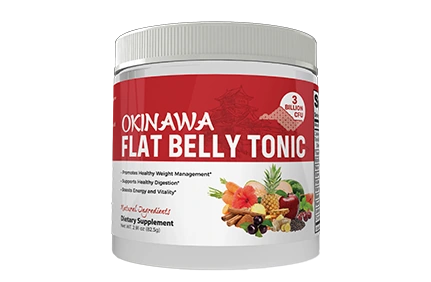
If your midsection feels tight by mid-morning, you know how much everyday digestion shapes your day. Ginger is the ingredient people reach for first, and for good reason — it is one of the few botanicals with real clinical study behind it. This guide separates what the science supports from what is still tradition, and shows where ginger fits inside Flat Belly Tonic.
What does ginger do for digestion and bloating?
Ginger is a warming culinary root whose active compounds — chiefly gingerols and shogaols — are studied for settling the stomach, easing nausea and encouraging the digestive tract to keep moving. For everyday bloat, the most relevant effect is on gastric emptying: when the stomach empties at a comfortable pace, that heavy, over-full sensation after a meal tends to ease. Ginger is a supportive food, not a medicine, and it works best as one steady habit rather than a rescue remedy.
Ginger is one of the few ingredients here with a direct, measurable mechanical effect. In a randomised crossover study in healthy volunteers, ginger accelerated gastric emptying and stimulated antral contractions after a test meal (Wu K.L. et al. “Effects of ginger on gastric emptying and motility in healthy humans.” European Journal of Gastroenterology & Hepatology, 2008). For bloating specifically, the wider picture is about fiber type and fermentation rather than any single spice (Eswaran S. et al. “Fiber and functional gastrointestinal disorders.” American Journal of Gastroenterology, 2013).
How does ginger ease bloating and slow, heavy digestion?
Ginger appears to help digestion mainly by nudging the stomach to empty a little faster and by relaxing tension in the gut wall. Bloating often comes down to timing — food, gas and fluid sitting longer than they need to — so anything that keeps the system gently moving can make the middle feel lighter.
Does ginger speed up gastric emptying?
Several small controlled studies have found that ginger can shorten the time food stays in the stomach, which is one plausible reason people feel less bloated and full after eating it. This is a modest, supportive effect rather than a dramatic one, and it varies from person to person. It is also why ginger is traditionally taken with or just before a meal rather than long afterward.
Can ginger calm nausea and a queasy morning stomach?
Nausea is where ginger's evidence is strongest. Reviews of randomized trials consistently find ginger helpful for several kinds of queasiness, and this is the effect most researchers agree on. For a morning routine, that translates into a settled, ready-to-eat feeling for people who tend to wake up a little off. As always, persistent or severe symptoms are a reason to see a doctor rather than self-treat.

We unpack cinnamon bark and everyday metabolism on its own page, right down to what the mixed cinnamon trial literature actually shows.
What are the main ginger root benefits?
Ginger root benefits cluster around the digestive tract, with the best-supported use being nausea and lighter, still-promising evidence for comfort, gas and inflammation-related markers. The table below sorts the common claims by how much research currently backs each one, so you can see where confidence is high and where it is still early.
| Ginger root benefit | What it may support | Strength of evidence |
|---|---|---|
| Nausea & queasiness | Settling an unsettled stomach, including motion and morning nausea | Strong — multiple randomized trials |
| Gastric emptying | Helping the stomach empty at a comfortable pace after meals | Moderate — small controlled studies |
| Bloat & gut comfort | Easing the heavy, over-full feeling | Emerging — mostly traditional plus early data |
| Metabolic markers | Modest effects on appetite and thermogenesis | Early & mixed — needs more research |
| Antioxidant activity | Gingerols act as dietary antioxidants | Lab & mechanistic evidence |
The honest summary: ginger earns its reputation as a digestive helper, but it is a gentle, supportive food rather than a cure. It works best woven into good habits — the kind we cover in our guide to the best morning habits for a flatter belly.
Does ginger help metabolism and weight?
Ginger and metabolism is an area of genuine interest but modest, early evidence. A handful of small studies suggest ginger may slightly increase the sense of fullness after a meal and have minor effects on thermogenesis and metabolic markers, but the results are mixed and the changes are small. The fair conclusion is that ginger is a supportive ingredient alongside diet and activity — not a weight-loss treatment, and not a substitute for the basics.
This is why Flat Belly Tonic treats ginger as one part of a stack rather than a headline "fat burner." For the wider picture, our guide to supporting healthy weight management naturally covers the food, movement and sleep levers that matter most.

How does ginger work inside Flat Belly Tonic?
Inside Flat Belly Tonic, ginger is part of the metabolic blend, sitting alongside cinnamon, turmeric and shilajit, while the wider formula adds a polyphenol blend of hibiscus, green tea, aronia and mulberry and a digestive blend of prebiotic inulin with a live probiotic culture. The design idea is a stack of food-based ingredients — each contributing a small, supportive role in one daily morning drink rather than relying on a single active compound.
Delivered as one measured part of a blended scoop, ginger is taken the traditional way: in the morning, mixed into water or a smoothie, ideally before or with food. To see the full formula, read the ingredients section or our companion piece on hibiscus, green tea and probiotics.
See the exact dose in Flat Belly Tonic
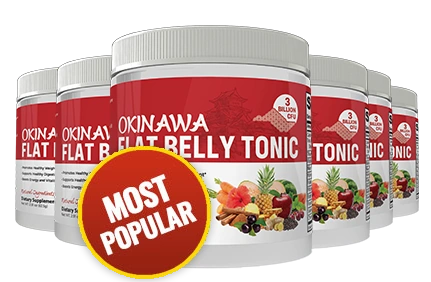
Ginger is one botanical in the Flat Belly Tonic metabolic blend, alongside cinnamon, turmeric and shilajit. The six-jar bundle is the best value at $49 per jar, with free U.S. shipping and a 90-day guarantee.
See the exact dose in Flat Belly Tonic — from $49/jarHow much ginger, and how do you use it for gut comfort?
For gut comfort, most studies use roughly 1 to 1.5 grams of ginger per day, split into smaller doses, while everyday culinary amounts in tea and cooking are well tolerated by most adults. The table below shows common ways people take ginger and what to expect from each, so you can find the form that fits your morning.
| How you take it | Typical amount | Notes for gut comfort |
|---|---|---|
| Fresh ginger tea | A few thin slices steeped | Gentle, warming; easy to take before or after a meal. |
| Ground ginger in cooking | ¼–½ tsp per serving | Culinary amounts; blends into curries, stir-fries and porridge. |
| Ginger in a daily blend | A measured part of a scoop | How Flat Belly Tonic delivers it — folded into a wider routine. |
| Concentrated ginger capsules | ~0.5–1.5 g/day (studied range) | Higher doses; start low, and check with a doctor if on medication. |
Whichever form you choose, the practical advice is the same: start low, take it with or just before food, and give any new routine a few weeks. Ginger's support is gentle and cumulative, not instant.
Check today's Flat Belly Tonic pricing →
Is ginger safe? When should you ask a doctor first?
Ginger is generally recognized as safe in culinary and typical supplemental amounts, but concentrated doses are not right for everyone. Higher intakes can cause mild heartburn, gas or an upset stomach in some people, and ginger can interact with certain medicines. Speak with your doctor before adding concentrated ginger if you are pregnant or nursing, take blood-thinning or diabetes medication, have gallstones, or have surgery scheduled. If you have persistent bloating, pain or a change in digestion, that is a reason to be checked rather than to self-treat.
The rest of the picture lives in a handful of adjacent guides. There is a fuller treatment of reducing bloating naturally elsewhere on this site, covering the fiber, eating-pace and fermentation angles most advice skips.
Frequently asked questions
Is ginger good for digestion and bloating?
Ginger has a long traditional history as a digestive aid, and modern research most consistently supports its use for nausea. For bloating and general gut comfort the evidence is more limited but promising, partly because ginger appears to help the stomach empty a little faster. It is a supportive food, not a treatment for any digestive condition.
How much ginger should I take for gut comfort?
Studies commonly use about 1 to 1.5 grams of ginger a day, split across doses. Culinary amounts in tea, cooking or a blended supplement are generally well tolerated. The ginger in Flat Belly Tonic is one part of a daily botanical blend rather than a stand-alone high dose.
Does ginger boost metabolism or help you lose weight?
Some small studies suggest ginger may have a modest effect on appetite, thermogenesis and metabolic markers, but the evidence is early and mixed. Ginger is best viewed as a supportive ingredient alongside diet and activity, not a weight-loss treatment on its own.
Can I take ginger every morning?
For most healthy adults, culinary amounts of ginger each morning are well tolerated and are a common way to start the day. Higher supplemental doses can cause mild heartburn or an upset stomach in some people, so it is sensible to start low and see how you feel.
Does the ginger in Flat Belly Tonic work on its own?
Flat Belly Tonic pairs ginger with cinnamon, turmeric and shilajit in its metabolic blend, plus polyphenols and probiotics. The idea is a stack of food-based ingredients that each play a small supporting role in a daily routine, not a single active drug.
Who should avoid ginger or ask a doctor first?
Speak with your doctor before adding concentrated ginger if you are pregnant or nursing, take blood-thinning or diabetes medication, have gallstones, or are scheduled for surgery. Ginger can interact with some medicines, so a quick conversation keeps it safe alongside your care.
Try Flat Belly Tonic risk-free for 90 days →
Flat Belly Tonic is a dietary supplement, not a treatment for any medical condition. These statements have not been evaluated by the Food and Drug Administration. This product is not intended to diagnose, treat, cure or prevent any disease. Always consult a qualified healthcare professional about your individual needs.
References & further reading
- National Center for Complementary and Integrative Health (NCCIH). Ginger. nccih.nih.gov/health/ginger
- Bodagh MN, et al. Ginger in gastrointestinal disorders: A systematic review. Food Science & Nutrition (PubMed Central). ncbi.nlm.nih.gov/pmc/articles/PMC5814329
- Examine.com. Ginger — evidence-based summary. examine.com/supplements/ginger
- Mayo Clinic. Ginger — drugs and supplements. mayoclinic.org/drugs-supplements-ginger
- Wu K.L. et al. “Effects of ginger on gastric emptying and motility in healthy humans.” European Journal of Gastroenterology & Hepatology, 2008. pubmed.ncbi.nlm.nih.gov/18403946
These references describe ginger in general terms and do not constitute evidence that any product treats, cures or prevents any condition.
Keep reading: the best morning habits for a flatter belly · how hibiscus, green tea and probiotics work · back to the Flat Belly Tonic blog · homepage.