Protein powder vs Flat Belly Tonic for weight loss: which does what in 2026

Updated August 2026 · reviewed by the Flat Belly Tonic Research Team. We are an independent information resource, not a medical provider, and this article is educational rather than medical advice.
In a weight-loss plan, protein powder and a metabolism tonic solve different problems: a protein or meal-replacement shake supplies protein and controlled calories to keep you full and protect muscle, while Flat Belly Tonic is a low-calorie polyphenol and probiotic drink meant to support everyday metabolism and digestion. Because they do different jobs, the honest comparison is not “which one wins” but “which one you are missing.”
Protein vs tonic for weight loss, settled in one box.
- What protein powder does
- Adds protein — and in a meal-replacement, calories and fibre — to help you feel full and keep muscle while you lose fat.
- What Flat Belly Tonic does
- A near-zero-calorie morning drink of polyphenol plants and probiotics that supports metabolism and digestion, not a protein source.
- The verdict
- They are not rivals. Protein covers a nutrition gap; the tonic supports a routine. Most people benefit from both.
- If you can only pick one
- Choose protein first if your diet is short on it — it is the bigger lever for weight loss and muscle.
The two are often framed as competitors. They are not. One is a macronutrient you can under-eat; the other is a supporting botanical drink. This guide explains what each does, backs it with mainstream nutrition research, and shows how a polyphenol tonic like Flat Belly Tonic complements — rather than replaces — protein in a weight-loss plan.
What is protein powder, and why does it matter for weight loss?
Protein powder is a concentrated protein source — whey, casein, soy, pea or blends — that you mix into water or milk to reach a protein target more easily. In weight loss it matters for two reasons backed by nutrition science: protein is the most filling macronutrient per calorie, and a higher-protein intake helps preserve lean muscle while you are in a calorie deficit. A “meal-replacement” shake goes further, adding controlled carbohydrate, fat and fibre so one drink stands in for a whole meal at a known calorie count.
That satiety-and-muscle combination is why dietitians reach for protein when someone struggles with hunger on a diet. It is a nutrition tool that changes what and how much you eat — not a metabolism booster, and not a shortcut around a calorie deficit.
How much protein does weight loss actually call for?
A practical protein target for adults losing weight is roughly 1.2 to 1.6 grams per kilogram of body weight per day, spread across meals. Whole foods — eggs, fish, poultry, dairy, beans, tofu — can cover this entirely; powder simply makes the target convenient. The number is a guide, not a prescription, so ask a doctor or dietitian about your own needs, especially if you have kidney concerns.
These two products do different jobs, and the evidence reflects that. High-protein intake raises the thermic effect of feeding and increases satiety (Halton T.L. & Hu F.B. “The effects of high protein diets on thermogenesis, satiety and weight loss: a critical review.” Journal of the American College of Nutrition, 2004), and a controlled feeding study found that raising protein to 30 per cent of calories reduced spontaneous intake by around 440 kcal a day (Weigle D.S. et al. “A high-protein diet induces sustained reductions in appetite, ad libitum caloric intake, and body weight.” American Journal of Clinical Nutrition, 2005). Meta-analysis of whey supplementation shows the effect on body weight itself is modest (Sepandi M. et al. “Effect of whey protein supplementation on weight and body composition indicators: a meta-analysis of randomized clinical trials.” Clinical Nutrition ESPEN, 2022).
What is Flat Belly Tonic, and what job does it do?
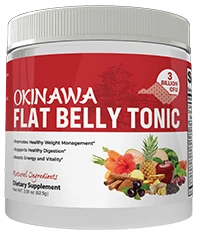
Flat Belly Tonic is a once-daily powdered morning drink built on antioxidant plants, culinary botanicals and probiotics — not a protein supplement. Its job is different from a shake’s: rather than supplying calories and protein, it delivers a polyphenol blend of hibiscus, green tea, aronia berry and mulberry, a metabolic blend of cinnamon, ginger, turmeric and shilajit, and a digestive blend of prebiotic inulin with a probiotic culture. In plain terms, it is a low-calorie ritual meant to support everyday metabolism and comfortable digestion as part of a routine.
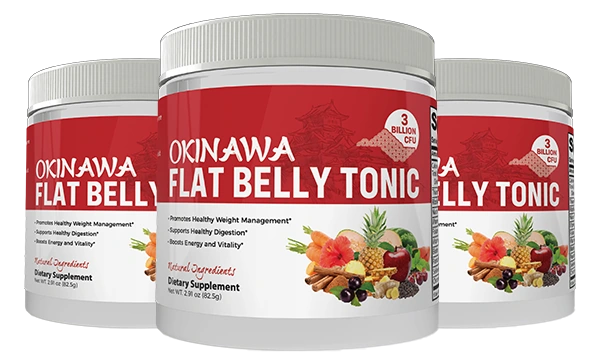
The evidence here is honest and modest. Polyphenols from tea and colourful plants are widely studied for general metabolic wellness, and probiotics and prebiotic fibre are used to support gut balance — but a food-based tonic is a supporting player, not a treatment for any condition. It works best layered on top of a diet that already gets the fundamentals right, protein included. For more, read our guide to hibiscus, green tea and probiotics for metabolism.
If you want the longer version of that argument, our guide to metabolism booster supplements covers which ingredients carry evidence and which are label filler.
Protein powder vs Flat Belly Tonic: a side-by-side comparison
The clearest way to compare protein powder and Flat Belly Tonic is by the job each is hired to do, because they barely overlap. One is a macronutrient delivery system; the other is a botanical support drink. This table lines them up on the points that matter for weight loss.
| Feature | Protein / meal-replacement powder | Flat Belly Tonic |
|---|---|---|
| Primary job | Supply protein (and, in a meal replacement, calories & fibre) | Support metabolism & digestion with polyphenols and probiotics |
| Calories | ~100–250 per serving | Very low — a near-zero-calorie drink |
| Protein | High (~15–30 g) | None — not a protein source |
| Fills you up? | Yes — protein and fibre drive satiety | No — it is a ritual drink, not a meal |
| Muscle preservation | Directly supports it in a deficit | Not its role |
| Replaces a meal? | A meal-replacement version can | No |
| Best used as | A nutrition tool for protein & hunger | A daily supporting ritual |
Read down the two columns and the “versus” framing falls apart: where protein scores, the tonic is not trying to compete, and vice versa. You are choosing what your plan is missing, not crowning a winner.
Pair it with your protein
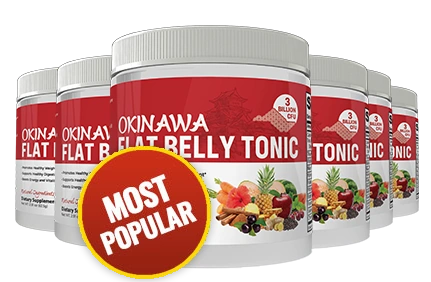
Flat Belly Tonic is the low-calorie morning ritual that sits alongside your protein, not instead of it. The six-jar bundle is the best value at $49 per jar, with free U.S. shipping and a 90-day guarantee.
Check today’s Flat Belly Tonic pricing — from $49/jarWhich should you choose for weight loss?
The right choice depends on what your plan is missing, not on which product is “stronger.” If you under-eat protein, feel hungry between meals, or want to keep muscle while dieting, protein powder is the higher-impact pick. If your protein is already handled and you want a low-calorie daily ritual for metabolism and digestion, that is where Flat Belly Tonic fits.
Choose protein powder first if…
- Your meals regularly fall short of a sensible protein target.
- You get hungry soon after eating and snack off-plan.
- You lift or exercise and want to protect lean muscle in a deficit.
- You want a controlled-calorie meal replacement for one busy meal.
Add Flat Belly Tonic if…
- Your protein and calories are already in a good place.
- You want a near-zero-calorie morning ritual to anchor the habit.
- You are drawn to polyphenol plants and probiotics for everyday digestive support.
- You like a simple, repeatable cue that keeps the rest of the routine on track.

Can you use protein powder and Flat Belly Tonic together?
For most healthy adults, protein powder and Flat Belly Tonic work well on the same day precisely because they do not overlap. A common pattern is Flat Belly Tonic first thing in the morning, and a protein or meal-replacement shake later — around a workout, or standing in for a rushed meal. The tonic supports the routine; the protein covers the nutrition. If you take medication or have a health condition, check with your doctor first.
| Time of day | What to reach for | Why |
|---|---|---|
| Morning | Flat Belly Tonic | Low-calorie ritual to anchor the day and support digestion |
| Breakfast / meals | Whole-food protein first | Satiety and muscle preservation from real food |
| Around a workout | Protein shake | Convenient protein when appetite or time is short |
| A rushed meal | Meal-replacement shake | Controlled calories and protein in one drink |
Neither product is a weight-loss drug, and neither removes the need for a calorie deficit. They simply make a sensible plan easier to keep — protein by handling hunger and muscle, the tonic by making the daily habit repeatable. For the bigger picture, see our guide to supporting healthy weight management naturally.
When should you talk to a doctor?
Supplements and shakes support generally healthy adults; they are not a substitute for medical care. Speak with your doctor or a dietitian if you are pregnant or nursing, under 18, take any medication, have kidney disease or another diagnosed condition, or are planning a large change in how much protein you eat.
A few neighbouring topics fill in the rest of the picture. That thread is picked up in more depth in our piece on what the Okinawa Flat Belly Tonic actually is, which works through the full guide to the formula, the format and where the name comes from.
Frequently asked questions
Is protein powder or Flat Belly Tonic better for weight loss?
Neither replaces the other, because they do different jobs. Protein powder adds protein and, in a meal-replacement shake, calories and fibre to help you feel full and preserve muscle while losing weight. Flat Belly Tonic is a low-calorie polyphenol and probiotic drink meant to support metabolism and digestion. Many people use protein for satiety and muscle and the tonic as a morning ritual alongside it.
Can Flat Belly Tonic replace a protein shake?
No. Flat Belly Tonic is not a protein source and is not a meal replacement, so it will not cover your protein needs or keep you full the way a protein or meal-replacement shake can. It is designed to complement a protein-adequate diet, not to substitute for it.
How much protein do I need to lose weight?
Most guidance for adults losing weight lands around 1.2 to 1.6 grams of protein per kilogram of body weight per day, spread across meals, to help preserve muscle. Whole foods can cover this; a protein powder simply makes hitting the target more convenient. Ask a doctor or dietitian about your individual needs.
Does a meal-replacement shake work better than a metabolism tonic?
They are not competitors. A meal-replacement shake helps by controlling the calories and protein of one meal, which can make a calorie deficit easier to keep. A metabolism tonic like Flat Belly Tonic adds almost no calories and instead supplies polyphenols and probiotics to support everyday metabolism and digestion. Used together they cover different needs.
Will Flat Belly Tonic make me lose weight on its own?
Flat Belly Tonic is a dietary supplement, not a weight-loss drug, and it is not intended to diagnose, treat, cure or prevent any disease. It supports a routine built on a sensible diet and activity; the diet and activity do the heavy lifting, and results vary from person to person.
Can I take protein powder and Flat Belly Tonic on the same day?
For most healthy adults, yes. A common pattern is Flat Belly Tonic in the morning and a protein shake around a workout or as part of a meal. Because they serve different roles, they do not overlap. If you take medication or have a health condition, check with your doctor before combining supplements.
See the exact dose in Flat Belly Tonic — risk-free for 90 days →
Flat Belly Tonic is a dietary supplement, not a treatment for any medical condition. These statements have not been evaluated by the Food and Drug Administration. This product is not intended to diagnose, treat, cure or prevent any disease. Always consult a qualified healthcare professional about your individual needs.
References & further reading
- Leidy HJ, et al. The role of protein in weight loss and maintenance. American Journal of Clinical Nutrition (via PubMed). pubmed.ncbi.nlm.nih.gov/25926512
- National Institutes of Health, Office of Dietary Supplements. Dietary Supplements for Weight Loss. ods.od.nih.gov/factsheets/WeightLoss-HealthProfessional
- Mayo Clinic. Meal replacement and protein shakes: How do they fit a weight-loss plan? mayoclinic.org
- National Center for Complementary and Integrative Health (NCCIH). Green Tea. nccih.nih.gov/health/green-tea
- Examine.com. Whey protein — evidence-based summary. examine.com/supplements/whey-protein
- Harvard T.H. Chan School of Public Health. The Nutrition Source: Protein. nutritionsource.hsph.harvard.edu/protein
These references describe protein, polyphenols and habits in general terms and do not constitute evidence that any product treats, cures or prevents any condition.
Keep reading: best morning habits for a flatter belly · supporting weight management naturally · the full Flat Belly Tonic review · the blog.