Are weight loss pills safe? A Flat Belly Tonic guide for 2026

Updated August 2026 · reviewed by the Flat Belly Tonic Research Team. We are an independent information resource, not a medical provider; this article is educational, not medical advice.
Whether weight loss pills are safe depends entirely on which pill you mean: prescription medicines are tested and monitored but carry real side effects and are meant for specific patients, while many over-the-counter diet pills are unregulated supplements whose safety no one has verified. No pill is automatically safe for everyone, which is why the honest first step is always to read the label, weigh the evidence, and talk to a doctor.
Are weight loss pills safe? The short, honest version.
- The nuance
- “Safe” is not yes-or-no — it depends on the ingredient, the dose, your health and any medicines you take.
- Prescription pills
- Studied and regulated, but they carry known side effects and belong under a doctor’s supervision.
- OTC diet pills
- Sold as supplements without pre-market safety review; quality varies and some have hidden drug ingredients.
- Food-based option
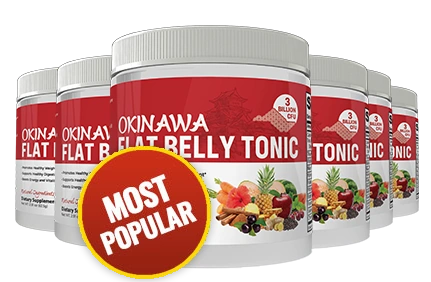
- A tonic like Flat Belly Tonic is a non-GMO, GMP-made drink, not a drug — a support to habits, not a treatment.
Search for a way to lose weight and you will meet hundreds of pills promising to melt fat while you sleep. Some are legitimate medicines; many are marketing. The useful question is not “does it work?” but “is it safe for me, and what is it actually made of?” This guide checks the common claims about diet pills, lays out the side effects worth knowing, and explains where a food-based formula like Flat Belly Tonic sits — without overselling it.
What does “safe” actually mean for a weight loss pill?
A weight loss pill is “safe” only in context: a product can be well-tolerated by a healthy adult at the right dose and still be risky for someone with heart disease, a thyroid condition, or an interacting prescription. That is why a blanket “yes” or “no” is misleading, and why the more honest framing is relative risk — driven most by what is in the product, whether it was made to a verifiable quality standard, and how it fits the rest of your health.
The clearest cautionary tale in this category is ephedra. A meta-analysis of controlled trials found that ephedra and ephedrine produced only modest short-term weight loss while raising the odds of psychiatric, autonomic and gastrointestinal symptoms and heart palpitations by two to three times — evidence that fed directly into its removal from the United States market (Shekelle P.G. et al. “Efficacy and safety of ephedra and ephedrine for weight loss and athletic performance: a meta-analysis.” JAMA, 2003). More recently, testing of products still on sale has repeatedly turned up prohibited stimulants that were never on the label at all (Cohen P.A. et al. “Nine prohibited stimulants found in sports and weight loss supplements.” Clinical Toxicology, 2021).
Are over-the-counter weight loss pills safe?
Over-the-counter weight loss pills are not reviewed for safety or effectiveness before they are sold, so their risk profile ranges from harmless to genuinely dangerous. In the United States, dietary supplements do not need FDA approval before reaching shelves; the agency mainly acts after a problem appears. That gap is why the U.S. Food and Drug Administration has repeatedly warned about “tainted” weight-loss products found to hide unlisted pharmaceutical ingredients. An OTC diet pill’s label is a marketing document first and a safety document second.
What about “natural” fat burners and stimulants?
“Natural” is not a synonym for “safe.” Many aggressive fat-burners lean on high-dose stimulants — large amounts of caffeine, synephrine (bitter orange), or yohimbine — that can raise heart rate and blood pressure. Ephedra, once a popular herbal weight-loss stimulant, was banned in the United States after being linked to serious cardiovascular events. The lesson is not that plants are dangerous, but that a botanical pushed to a pharmacological dose behaves like a drug.
Which OTC ingredients raise the most safety questions?
The ingredients that draw the most caution are the ones designed to force a physiological change rather than support a habit: high-dose stimulants, undisclosed diuretics, laxative-based “detox” blends, and proprietary formulas that hide each ingredient’s real amount behind a single “blend” number. When you cannot see the dose, you cannot judge the risk.
| Weight product type | How it works | Common safety questions |
|---|---|---|
| OTC stimulant fat-burner | Speeds heart rate / suppresses appetite via caffeine, synephrine | Raised blood pressure, palpitations, jitteriness, insomnia |
| OTC fat-blocker | Reduces fat absorption in the gut | Oily stools, gas, urgent bowel movements, vitamin loss |
| “Detox” / laxative blend | Water and stool loss, not fat loss | Dehydration, electrolyte loss, dependence |
| Prescription weight-loss drug | Regulates appetite or nutrient absorption | Nausea, constipation, prescription-only monitoring |
| Food-based tonic (e.g. Flat Belly Tonic) | Supports a routine with plants & probiotics | Generally well-tolerated; check interactions if on medication |
See the exact dose in Flat Belly Tonic →
If you want the longer version of that argument, our guide to metabolism booster supplements covers which ingredients carry evidence and which are label filler.
Are prescription weight loss pills safe?
Prescription weight-loss medicines are the most rigorously studied option, but “studied” is not the same as “side-effect-free.” These drugs pass clinical trials and are monitored by regulators, a real advantage over unvetted supplements. In exchange, they carry documented side effects, eligibility criteria, and the need for medical supervision. They are prescribed for specific patients — typically those with a higher body-mass index or weight-related conditions — not as a casual shortcut. If one is right for you, that is a decision to make with a clinician who can weigh your history and monitor you.

What are the most common weight loss pill side effects?
The most common weight loss pill side effects cluster by mechanism: stimulants stress the heart and nervous system, fat-blockers disrupt digestion, and appetite suppressants upset the stomach. Knowing a product’s family tells you which side effects to watch for, so the table below groups them by likely trade-off.
| Mechanism | Typical side effects | Who should be most cautious |
|---|---|---|
| Stimulant / “fat burner” | Fast or irregular heartbeat, high blood pressure, anxiety, poor sleep | Heart conditions, hypertension, anxiety disorders |
| Fat absorption blocker | Oily stools, cramping, gas, reduced fat-soluble vitamins | Digestive conditions, nutrient deficiencies |
| Appetite suppressant | Nausea, constipation, dry mouth, dizziness | Pregnancy, GI conditions, certain medications |
| Laxative / diuretic “detox” | Dehydration, electrolyte imbalance, dependence | Kidney issues, older adults, anyone on diuretics |
One red flag cuts across every category: any product promising dramatic results with no side effects and no effort. Real physiology does not work that way, and that promise usually signals an exaggerated claim or a hidden active ingredient. For a fuller comparison, see our breakdown of weight loss pills versus Flat Belly Tonic.
How does a food-based tonic compare on safety?
A food-based tonic is not a weight-loss pill at all — it is a dietary supplement built from ingredients you would recognise in a kitchen, a fundamentally different risk category from a concentrated drug or stimulant. Flat Belly Tonic is a once-daily powdered morning drink, not a capsule engineered to force a physiological change. Its blend combines antioxidant plants (hibiscus, green tea, aronia berry, mulberry), culinary botanicals (cinnamon, ginger, turmeric) and a probiotic-and-prebiotic digestive blend — foods and traditional botanicals used to support a healthy-weight routine, not agents intended to diagnose, treat, cure or prevent anything.
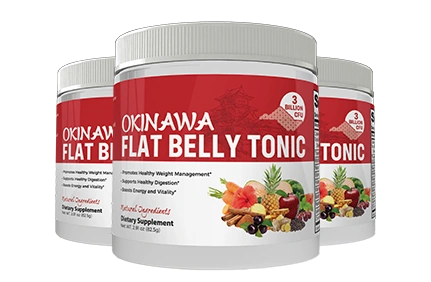
A food-based routine, not a diet pill
Flat Belly Tonic is non-GMO and produced in a GMP-certified, FDA-registered facility in the USA — a support to diet and activity. The six-jar bundle is the best value at $49 per jar with free U.S. shipping and a 90-day guarantee.
Check today’s Flat Belly Tonic pricing — from $49/jarWhat quality signals should you look for on any label?
The most reassuring signals are the boring, verifiable ones: a fully disclosed ingredient list with real doses, non-GMO sourcing, and manufacture in a GMP-certified, FDA-registered facility. These do not prove a product “works,” but they tell you it was made to a consistent standard and that you can see what you are taking — the single easiest way to lower your risk.



Even a well-made supplement is still a supplement. It works best alongside the everyday habits that carry the most influence over weight — the food, movement, sleep and digestion basics we cover in how to support healthy weight management naturally.
Who should talk to a doctor before taking any weight loss pill?
Anyone with a health condition, a prescription, or a life stage that changes how the body handles ingredients should speak to a doctor before starting any weight-loss product — pill or supplement. That includes people who are pregnant or nursing, under 18, taking blood-pressure, blood-thinning, diabetes or thyroid medication, or living with heart, kidney or liver conditions. This is not a formality: some botanical and stimulant ingredients genuinely change how medicines are absorbed or how the heart responds, and a short conversation with your doctor or pharmacist is the cheapest safety check available.
None of this sits in isolation. That thread is picked up in more depth in our piece on how to choose a metabolism tonic, which works through the label checks worth making before you pay for anything. Readers who want to go further will find berberine versus green tea handled separately, including how a harsh plant alkaloid compares with a gentler everyday catechin source.
Frequently asked questions
Are weight loss pills safe?
It depends on the pill. Prescription weight-loss medicines are studied and monitored but carry known side effects and are for specific patients under medical supervision. Over-the-counter diet pills vary widely in quality and evidence, and some stimulant-based products have caused real harm. No pill is automatically safe for everyone, so the honest answer is to read the label, check the ingredients, and ask a doctor before starting one.
What are the most common weight loss pill side effects?
Common side effects depend on the type. Stimulant fat-burners can cause a fast or irregular heartbeat, raised blood pressure, jitteriness and insomnia. Fat-blockers often cause oily stools, gas and urgent bowel movements. Appetite-suppressing prescription medicines can cause nausea, constipation and, rarely, more serious effects. Any product that promises dramatic results with no side effects should be treated with caution.
Are over-the-counter weight loss pills safer than prescription ones?
Not necessarily. Prescription medicines are tested in clinical trials and monitored by regulators, while over-the-counter and online diet pills are sold as supplements and are not reviewed for safety or effectiveness before they reach shelves. Some have been recalled for hidden drug ingredients. Over-the-counter does not mean risk-free.
Is Flat Belly Tonic a weight loss pill?
No. Flat Belly Tonic is not a pill or a drug. It is a once-daily powdered morning drink made from antioxidant plants, culinary botanicals and probiotics, produced in a GMP-certified, FDA-registered facility in the USA. It is a food-based dietary supplement intended to support a healthy-weight routine, not a treatment for any condition.
Can I take a weight loss supplement with my medication?
Only after checking with your doctor or pharmacist. Some botanical ingredients can interact with blood-pressure, blood-thinning, diabetes or thyroid medicines, or affect how other drugs are absorbed. If you take any prescription medication, are pregnant or nursing, or have a diagnosed condition, get personalised advice before adding any supplement.
What is the safest way to lose weight?
For most people, the safest approach is gradual: a fibre-rich, whole-food diet, regular movement, adequate sleep and stress management, with any supplement used as support rather than a shortcut. This is slower than a pill promises but carries far less risk, and it is the foundation medical guidelines recommend.
Prefer a food-based routine? See Flat Belly Tonic →
Flat Belly Tonic is a dietary supplement, not a treatment for any medical condition. These statements have not been evaluated by the Food and Drug Administration. This product is not intended to diagnose, treat, cure or prevent any disease. Always consult a qualified healthcare professional about your individual needs, especially before combining any supplement with medication.
References & further reading
- U.S. Food and Drug Administration. Tainted Weight Loss Products. fda.gov/drugs/medication-health-fraud/tainted-weight-loss-products
- National Institutes of Health, Office of Dietary Supplements. Dietary Supplements for Weight Loss. ods.od.nih.gov/factsheets/WeightLoss-HealthProfessional
- National Center for Complementary and Integrative Health (NCCIH). Weight Control and Complementary Health Approaches. nccih.nih.gov/health/weight-control
- Mayo Clinic. Prescription weight-loss drugs. mayoclinic.org/healthy-lifestyle/weight-loss
- Shekelle P.G. et al. “Efficacy and safety of ephedra and ephedrine for weight loss and athletic performance: a meta-analysis.” JAMA, 2003. pubmed.ncbi.nlm.nih.gov/12672771
These references describe the ingredients, medicines and safety issues in general terms and do not constitute evidence that any product treats, cures or prevents any condition.
Keep reading: weight loss pills vs Flat Belly Tonic · how to support healthy weight management naturally · back to the Flat Belly Tonic blog · homepage.