Berberine vs green tea: how Flat Belly Tonic compares in 2026

Updated August 2026 · reviewed by the Flat Belly Tonic Research Team. We are an independent information resource, not a medical provider, and this article is educational rather than medical advice.
Berberine vs green tea is a comparison of two very different metabolic-support ingredients: berberine is a concentrated plant alkaloid studied mainly for blood-sugar markers, while green tea is a polyphenol-rich beverage studied for antioxidant activity and gentle metabolic support. Neither is a weight-loss drug, and the right choice depends on how much your digestion and your medications can tolerate.
Berberine or green tea — the honest short version.
- Berberine
- A strong alkaloid with the most research on blood-sugar and metabolic markers, but frequent digestive upset and real medication interactions.
- Green tea
- A food-familiar source of catechins (EGCG) and light caffeine, studied for antioxidant support and modest metabolic help, and far gentler day to day.
- Bottom line
- Green tea is the everyday-friendly option; berberine is more potent but needs a doctor's sign-off if you take any medication.
- Where a tonic fits
- A green-tea-led blend such as Flat Belly Tonic delivers polyphenols without berberine's digestive downside — as a support, never a treatment.
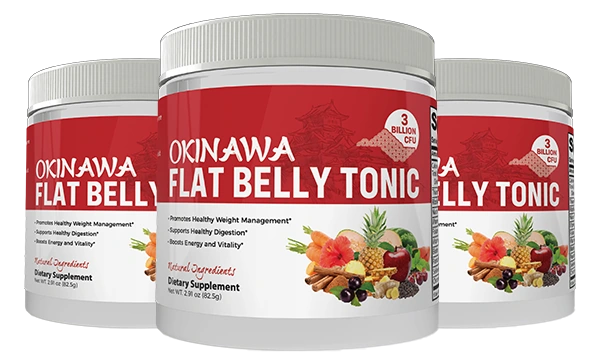
Search interest in berberine exploded when it was nicknamed “nature’s Ozempic” online — a catchy but misleading label, because berberine is not a weight-loss drug and does not work like one. Green tea, by contrast, has quietly been part of the metabolism conversation for decades. This guide compares the two on evidence, safety and everyday practicality, and shows where a green-tea-led formula like Flat Belly Tonic lands in the debate.
What is berberine, and why is it suddenly everywhere?
Berberine is a bright-yellow alkaloid extracted from plants such as goldenseal, barberry and Oregon grape, sold as a concentrated supplement rather than eaten as a food. Its recent popularity comes from clinical studies suggesting it can influence blood-sugar and cholesterol markers, which sparked the viral “nature’s Ozempic” nickname. That comparison oversells it: berberine is not a medication, its weight effects in studies are modest, and much of the research is small or short.
Berberine is thought to act partly through an enzyme called AMPK, sometimes described as a cellular “metabolic switch.” That mechanism is genuinely interesting, but a promising mechanism is not the same as a proven, reliable outcome for weight loss in everyday adults.
Berberine has genuine metabolic pharmacology behind it: a meta-analysis of controlled trials reported effects on glucose and lipid markers comparable in size to some oral agents, alongside a clear signal of gastrointestinal side effects (Lan J. et al. “Meta-analysis of the effect and safety of berberine in the treatment of type 2 diabetes mellitus, hyperlipemia and hypertension.” Journal of Ethnopharmacology, 2015). Green tea sits at the opposite end of that spectrum — a Cochrane review of green tea preparations for weight loss in overweight adults found the effects small and not statistically significant in most comparisons (Jurgens T.M. et al. “Green tea for weight loss and weight maintenance in overweight or obese adults.” Cochrane Database of Systematic Reviews, 2012).
What does green tea actually do for metabolism?
Green tea is a polyphenol-rich beverage whose main active compounds are catechins — especially EGCG — alongside a modest dose of caffeine. Together these are studied for antioxidant activity and a gentle, measurable nudge to energy metabolism and fat oxidation. The key word is gentle: reviews generally find small effects that depend heavily on diet, caffeine sensitivity and consistency.
What makes green tea appealing is its familiarity. It has been consumed safely for centuries, it slots into a daily routine without drama, and it delivers antioxidants that most modern diets are short on. For everyday green tea metabolism support, that reliability and safety often matter more than raw potency.

There is a fuller treatment of garcinia cambogia set against a food-based tonic elsewhere on this site, covering why the hydroxycitric acid trials disappointed.
Berberine vs green tea: how do they compare side by side?
The clearest way to weigh berberine against green tea is to line them up on the things that actually affect a daily routine: what the evidence covers, how strong the effect is, how your gut handles it, and whether it clashes with medication.
| Factor | Berberine | Green tea (EGCG) |
|---|---|---|
| What it is | Concentrated plant alkaloid supplement | Food-familiar polyphenol beverage / extract |
| Best-studied for | Blood-sugar and cholesterol markers | Antioxidant support, modest metabolism |
| Typical effect size | Modest, from mostly small studies | Small and diet-dependent |
| Digestive tolerance | Cramping, diarrhoea and upset are common | Generally well tolerated |
| Medication interactions | Notable — diabetes, blood-pressure and more | Few at dietary amounts |
| Everyday practicality | Split doses with meals; not for pregnancy | Simple once-daily routine |
Read that table honestly and a pattern emerges: berberine is the more potent and more studied-for-glucose option, while green tea is the more practical and tolerable one. For berberine for weight loss specifically, the evidence is far thinner than the hype implies, and the trade-off in side effects is real.
Prefer polyphenols to a harsh alkaloid?
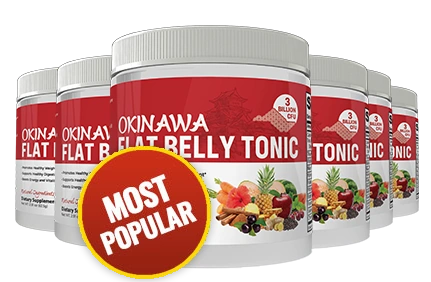
Flat Belly Tonic pairs green tea with hibiscus, aronia and mulberry, then adds culinary botanicals and probiotics — the gentle, food-based route to daily metabolic support. See the exact dose in Flat Belly Tonic and today’s bundle pricing.
Check today’s Flat Belly Tonic pricing →Which is safer for everyday use?
Green tea is the safer everyday choice for most healthy adults, because it is a familiar food with few interactions, while berberine is potent enough to warrant a doctor’s involvement. Berberine commonly causes digestive complaints — cramping, diarrhoea and constipation — and it can interact with medications for diabetes, blood pressure and blood clotting. It is not recommended during pregnancy or breastfeeding.
Green tea is not risk-free either: very high-dose green tea extracts have been linked in rare cases to liver concerns, which is why brewed tea and sensible amounts in a blend are steadier than mega-dose isolated pills. The safety edge still clearly favours the food-familiar option.
| Concern | Berberine | Green tea |
|---|---|---|
| Common side effects | Digestive upset (frequent) | Rare at sensible amounts |
| Drug interactions | Several important ones | Minimal at dietary levels |
| Pregnancy / nursing | Not recommended | Moderate caffeine caution |
| Long-term familiarity | Limited | Centuries of food use |
What are the best berberine alternatives?
The most popular berberine alternatives are gentler, food-based ingredients that support metabolism and digestion without the alkaloid’s side effects. If berberine’s digestive toll or medication interactions rule it out for you, several everyday options are worth knowing.
Which food-based ingredients do people choose instead?
- Green tea polyphenols — the closest “everyday” swap, with antioxidant support and light caffeine.
- Hibiscus — a tart, polyphenol-rich flower enjoyed as a tea for centuries.
- Cinnamon and ginger — warming culinary spices long tied to the metabolism conversation.
- Prebiotic fibre and probiotics — support everyday digestion, which berberine often disrupts.
- Whole-diet habits — fibre, protein and a post-meal walk still outperform any single capsule.
Several of these appear together in Flat Belly Tonic, which is deliberately built as a polyphenol-and-probiotic blend rather than a berberine product. For the mechanism behind those plants, see our explainer on hibiscus, green tea and probiotics for metabolism.
Where does Flat Belly Tonic fit in this debate?
Flat Belly Tonic sits firmly on the green-tea side of the comparison: it is a once-daily morning drink led by green tea and companion polyphenols, with no berberine at all. That design is intentional — it delivers the antioxidant, metabolism-adjacent plants people want while sidestepping berberine’s digestive upset and drug interactions.
The formula combines a polyphenol blend of green tea, hibiscus, aronia berry and mulberry, a metabolic blend of cinnamon, ginger, turmeric and shilajit, and a digestive blend of prebiotic inulin with a probiotic culture. It is a support to a balanced diet and active lifestyle, not a treatment for any condition. To see the full make-up, read the ingredients section or our guide to supporting healthy weight management naturally.
How should you choose between them?
Choosing between berberine and green tea comes down to your health picture, your medications and your tolerance for side effects. Use this simple decision guide rather than the hype:
- On any medication? Green tea is the low-interaction default; only consider berberine with a doctor’s guidance.
- Sensitive digestion? Green tea and a polyphenol blend are far gentler than berberine.
- Want a simple routine? A once-daily green-tea-led drink beats splitting berberine doses across meals.
- Chasing potency for glucose markers? That is berberine’s stronger suit — but treat it as a medical conversation, not a trend.
For most people who simply want steady, everyday support, the green-tea-led route wins on practicality. Because botanical and probiotic routines build gradually, many choose a multi-month supply so they don’t run out mid-routine — compare the packages and pricing.
Make green tea a daily habit
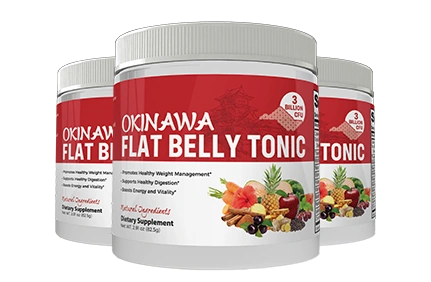
Flat Belly Tonic turns green tea and companion polyphenols into one easy morning scoop — no berberine, no split dosing. The multi-jar bundles are the best value with free U.S. shipping and a 90-day guarantee.
See the exact dose in Flat Belly Tonic →When should you talk to a doctor?
Both berberine and green tea are for supporting generally healthy adults, not replacing medical care. Speak with your doctor or pharmacist before starting either — and especially before berberine — if you are pregnant or nursing, under 18, take any medication (particularly for diabetes, blood pressure or blood clotting), have a diagnosed condition, or notice unexplained weight change or ongoing digestive symptoms. A short conversation makes sure anything you add fits safely with your care.
A few neighbouring topics fill in the rest of the picture. If you want the longer version of that argument, our guide to whether weight loss pills are actually safe covers the side-effect and interaction picture for both over-the-counter and prescription options.
Frequently asked questions
Is berberine or green tea better for weight loss?
Neither is a weight-loss drug. Berberine has been studied mostly for blood-sugar and metabolic markers, while green tea polyphenols are studied for antioxidant support and modest effects on metabolism. Both work best alongside diet and activity, and results are individual.
Can I take berberine and green tea together?
Many people consume green tea daily and add berberine separately, but berberine can interact with several medications. Because green tea and berberine act differently, anyone on prescriptions should ask a doctor or pharmacist before combining them.
Does Flat Belly Tonic contain berberine?
No. Flat Belly Tonic is built on a green-tea-led polyphenol blend with hibiscus, aronia and mulberry, plus culinary botanicals and probiotics. It does not use berberine, so it avoids berberine's common digestive complaints and medication interactions.
What are good berberine alternatives?
Food-based alternatives people consider include green tea polyphenols, hibiscus, cinnamon, ginger and prebiotic fibre with probiotics. These are gentler on digestion than berberine and appear in blends such as Flat Belly Tonic, though none is a treatment for any condition.
How does green tea support metabolism?
Green tea supplies catechins such as EGCG plus a small amount of caffeine, which together are studied for antioxidant activity and modest support of energy metabolism. The effect is gentle and general, not a guarantee of weight loss.
Is berberine safe to take every day?
Berberine is generally considered well tolerated short term but commonly causes digestive upset, and it interacts with medications for diabetes, blood pressure and more. It is not recommended in pregnancy. Talk to a healthcare professional before daily use.
Try the green-tea-led Flat Belly Tonic risk-free for 90 days →
Flat Belly Tonic is a dietary supplement, not a treatment for any medical condition. These statements have not been evaluated by the Food and Drug Administration. This product is not intended to diagnose, treat, cure or prevent any disease. Always consult a qualified healthcare professional about your individual needs.
References & further reading
- National Center for Complementary and Integrative Health (NCCIH). Green Tea. nccih.nih.gov/health/green-tea
- National Institutes of Health, Office of Dietary Supplements. Dietary Supplements for Weight Loss. ods.od.nih.gov/factsheets/WeightLoss-HealthProfessional
- National Library of Medicine, LiverTox. Berberine. ncbi.nlm.nih.gov/books/NBK548516
- Lan J. et al. “Meta-analysis of the effect and safety of berberine in the treatment of type 2 diabetes mellitus, hyperlipemia and hypertension.” Journal of Ethnopharmacology, 2015. pubmed.ncbi.nlm.nih.gov/25498346
- Examine.com. Berberine — evidence-based summary. examine.com/supplements/berberine
- Examine.com. Green tea catechins — evidence-based summary. examine.com/supplements/green-tea-catechins
These references describe the ingredients in general terms and do not constitute evidence that any product treats, cures or prevents any condition.
Keep reading: the best morning habits for a flatter belly · how hibiscus, green tea and probiotics work · back to the Flat Belly Tonic blog · homepage.