How to boost metabolism naturally: the Flat Belly Tonic morning guide for 2026

Updated August 2026 · reviewed by the Flat Belly Tonic Research Team. We are an independent information resource, not a medical provider, and this article is educational rather than medical advice.
To boost your metabolism naturally means using everyday habits — protein at meals, frequent movement, enough sleep and steady hydration — to help your body burn energy at a healthy, stable rate. There is no magic switch, but these levers compound: each helps a little, and together they help a lot. A food-based morning tonic can support the routine, but the habits do the heavy lifting.
How to boost metabolism naturally, in one place.
- The short version
- Protect and build muscle, move often, sleep well and stay hydrated — these raise or steady your daily energy use more than any pill.
- Biggest lever
- Muscle is metabolically active tissue, so protein at every meal plus regular movement is the single most reliable natural strategy.
- Morning ritual
- A protein-forward breakfast and a short walk set an active tone; a polyphenol tonic like Flat Belly Tonic can slot into that ritual.
- What to avoid
- Crash diets and chronic short sleep both work against you, lowering baseline energy use and appetite control.
- Timeframe
- You feel some habits the same day; baseline and body-composition changes usually show over several weeks to a few months, and results vary.
“Boost your metabolism” gets used to sell everything from teas to fat-burner pills, so it helps to be honest about what actually moves the needle. Your metabolism is not one dial you can crank — it is the sum of the energy your body spends keeping you alive and moving. The good news is that the parts you can influence are the ordinary ones, and this guide walks through them in plain language before showing where a food-based blend like Flat Belly Tonic can play a supporting role.

What does it mean to boost metabolism naturally?
Boosting metabolism naturally means raising or steadying the number of calories your body uses each day through lifestyle, rather than through drugs or extreme measures. Metabolism is the whole set of processes that turn food into energy, and most of it — your resting or basal metabolic rate — runs automatically to keep your heart, brain and organs going. You cannot rewrite that baseline overnight, but you can nudge the parts around it: the muscle you carry, how much you move, how well you sleep, and how you fuel yourself.
Two levers do more than any supplement. Protein has the highest thermic effect of the three macronutrients, and reviews of high-protein diets attribute part of their advantage to that plus greater satiety (Halton T.L. & Hu F.B. “The effects of high protein diets on thermogenesis, satiety and weight loss: a critical review.” Journal of the American College of Nutrition, 2004). Sleep is the other: in a controlled study, curtailing young men to four hours in bed lowered leptin, raised ghrelin and increased hunger and appetite, particularly for calorie-dense foods (Spiegel K. et al. “Sleep curtailment in healthy young men is associated with decreased leptin levels, elevated ghrelin levels, and increased hunger and appetite.” Annals of Internal Medicine, 2004). And a large share of daily energy expenditure comes from ordinary fidgeting and posture change rather than exercise (Levine J.A. et al. “Interindividual variation in posture allocation: possible role in human obesity.” Science, 2005).
What actually drives your daily energy use?
Your total daily energy use is made of four moving parts, and knowing them tells you exactly where natural habits can help. Understanding the split is what separates a real natural metabolism support plan from marketing.
- Basal metabolic rate (BMR) — the energy to keep you alive at rest; the largest share, roughly 60–70%, and closely tied to how much muscle you carry.
- Non-exercise activity (NEAT) — walking, fidgeting, standing, chores; the most flexible piece and the easiest to raise.
- The thermic effect of food (TEF) — the energy spent digesting meals, highest for protein.
- Exercise — deliberate training; smaller day to day than most expect, but powerful for building the muscle that lifts your BMR.
Notice the theme: three of the four are things you can act on today, and muscle sits underneath two of them. That is why the habits below focus on protecting muscle and staying active rather than chasing a single “fat-burning” food. It also explains why two people of the same weight can have noticeably different daily burns — the more muscular, more active one simply spends more energy doing the same day. You cannot change your age or genetics, but you can add muscle and add movement, and both are within reach at any starting point.
There is a fuller treatment of flattening your belly after 40 elsewhere on this site, covering what genuinely changes with age and what still responds to effort.
What are the daily habits that support a natural metabolism?
The habits that support a natural metabolism are the ones that protect muscle, keep you moving and keep your appetite honest. None is dramatic on its own; the effect comes from doing them most days.
Does eating more protein really raise your metabolism?
Protein has the highest thermic effect of any macronutrient, meaning your body burns more energy digesting it, and it is the nutrient that protects the muscle your BMR depends on. Spreading protein across the day — eggs, fish, poultry, tofu, beans, Greek yoghurt — keeps you fuller for longer and supports muscle repair after movement. A protein-forward breakfast is an easy first win: it steadies morning appetite and starts the day with the most metabolically useful macronutrient. A practical target for many adults is a palm-sized portion of protein at each meal, adjusted to your size and activity. If mornings are rushed, eggs, Greek yoghurt, or a scoop of protein blended into a smoothie take almost no time and blunt the mid-morning crash that sends most people toward the snack drawer.
How does movement and NEAT keep metabolism up?
Everyday movement is the most flexible lever you have, because NEAT can vary by hundreds of calories a day between an active person and a sedentary one. A 10-to-15-minute walk after your largest meal aids digestion and adds up over a week; standing breaks, taking the stairs and simple bodyweight moves all count. Resistance work — even light dumbbells or bands a few times a week — builds the muscle that quietly raises your resting burn. The best activity is always the one you will actually repeat.
Why does sleep matter so much for metabolism?
Sleep is the underrated metabolic habit: short nights raise the hunger hormone ghrelin, dampen the fullness hormone leptin, and push appetite toward quick energy the next day. Chronically poor sleep is linked in research to weight gain and less stable blood-sugar handling. Seven to nine regular hours does more for appetite control than most supplements, and it costs nothing. If you change one thing this week, a consistent bedtime is a strong candidate.
Can drinking water boost your metabolism?
Drinking water gives a small, short-lived bump in energy use known as water-induced thermogenesis, and staying hydrated helps you avoid mistaking thirst for hunger. The effect is modest, so water is a helper rather than a hero — but swapping sugary drinks for water or unsweetened tea removes easy liquid calories while keeping you hydrated, which is a genuine double win.

| Natural lever | What it influences | How strong is the effect? |
|---|---|---|
| Protein at every meal | TEF + protects muscle (BMR) | Reliable and meaningful over time |
| Daily movement / NEAT | Activity burn + appetite | Large and flexible day to day |
| Resistance training | Builds muscle → lifts BMR | Strong, but builds gradually |
| 7–9 hours of sleep | Hunger & fullness hormones | Underrated and powerful |
| Hydration | Water thermogenesis + satiety | Small but easy and additive |
| Polyphenol foods & tea | General metabolic wellness | Modest; a supporting role |
Where does a morning metabolism ritual like Flat Belly Tonic fit in?
A morning metabolism ritual is a small, repeatable cue that anchors the active habits above — and a food-based tonic can be part of that cue, not a replacement for it. Supplements are a supplement: they support a routine of protein, movement and sleep, and they are never a treatment for any condition. Within that honest frame, a handful of plant compounds have long been part of the metabolic-wellness conversation.
What do polyphenols for metabolism actually do?
Polyphenols are plant antioxidants — such as the catechins in green tea and the anthocyanins in hibiscus — that are widely studied for general metabolic wellness and are rich natural sources of antioxidants. Human evidence is mixed and the effects are modest, which is exactly why they belong inside a whole routine rather than being sold as a shortcut. The table below is a plain snapshot of the best-known ingredients, several of which appear in Flat Belly Tonic.
| Ingredient | Type | Traditional / general role |
|---|---|---|
| Green tea (EGCG) | Polyphenol / catechin | Widely studied for general metabolic wellness; a rich source of antioxidants. |
| Hibiscus | Anthocyanin polyphenol | A tart, refreshing tea rich in plant pigments, enjoyed for centuries. |
| Ginger & cinnamon | Culinary botanicals | Warming kitchen spices used for generations and rich in aromatic compounds. |
| Turmeric | Culinary botanical | A golden root long used in cooking and traditional wellness practices. |
| Probiotics & inulin | Digestive support | Live cultures and prebiotic fibre used to support everyday gut balance. |
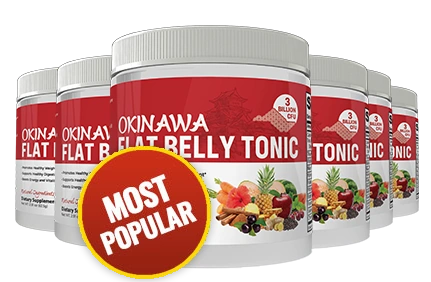
Flat Belly Tonic brings these together as a single morning drink: a polyphenol blend of hibiscus, green tea, aronia berry and mulberry, a metabolic blend of cinnamon, ginger, turmeric and shilajit, and a digestive blend of prebiotic inulin with a 3-billion-CFU probiotic culture. For a closer look at the science, read our guide to hibiscus, green tea and probiotics for metabolism, or see the full ingredients section.
Make it your morning ritual
Flat Belly Tonic is a once-daily powdered drink pairing polyphenol plants with culinary botanicals and probiotics — one scoop into water or a smoothie. See the exact dose in Flat Belly Tonic and check today’s pricing; the six-jar bundle is the best value at $49 per jar, with free U.S. shipping and a 90-day guarantee.
Check today’s Flat Belly Tonic pricing — from $49/jarHow do you build a simple morning metabolism ritual?
The best routine is the one you will keep, so stack one small habit at a time until each feels automatic rather than overhauling everything at once. A simple, repeatable morning metabolism ritual might look like this:
- Anchor breakfast in protein and fibre so appetite starts the day steady.
- Drink a glass of water on waking before coffee, to rehydrate after sleep.
- Take a 10-minute walk in the morning or after your biggest meal.
- Add two or three short resistance sessions a week to protect and build muscle.
- Protect a consistent bedtime so sleep does its quiet metabolic work.
- Keep one steady supplement cue — for Flat Belly Tonic, one scoop mixed into water or a smoothie.
What results are realistic, and what should you avoid?
Realistic metabolism results come from consistency, not intensity: you feel some habits the same day, while baseline and body-composition changes take weeks to months. Just as important is what to avoid. Very low-calorie crash diets can lower your resting energy use and cost you muscle, which makes weight harder to keep off — the opposite of a metabolism boost. A steadier approach that preserves muscle with protein and movement is kinder to your metabolism, and far easier to sustain. Aim for a modest, livable calorie gap rather than the smallest number you can survive on, keep protein high while you do it, and expect progress to look like a gentle downward trend across months rather than a straight line. Weeks where the scale stalls are normal; the habits are still working underneath. For a deeper look at the everyday side of this, see our guide to supporting healthy weight management naturally.
See the exact dose in Flat Belly Tonic →
When should you talk to a doctor?
Natural metabolism habits are for generally healthy adults and are not a replacement for medical care. Metabolism is also influenced by genetics, age, hormones and thyroid function, which lifestyle alone cannot override. Speak with your doctor if you are pregnant or nursing, under 18, take any medication, have a diagnosed condition such as a thyroid disorder or diabetes, or notice unexplained weight change, ongoing fatigue or persistent digestive symptoms. A quick conversation ensures anything you add fits safely with your care.
It helps to read this next to the related pieces on the same shelf. If you want the longer version of that argument, our guide to whether metabolism boosters work at all covers the real size of the effects reported in controlled trials. That thread is picked up in more depth in our piece on protein powder versus a metabolism tonic, which works through two very different jobs inside one weight-management routine.
Frequently asked questions
How can I boost my metabolism naturally?
Support your metabolism naturally by building muscle-sparing habits: eat protein at every meal, move often through the day, sleep seven to nine hours, and stay well hydrated. These daily levers matter far more than any single food or supplement, and they compound over weeks.
Does drinking water actually boost metabolism?
Drinking water produces a small, short-lived rise in energy use called water-induced thermogenesis, and staying hydrated helps you avoid mistaking thirst for hunger. It is a helpful habit, but the effect is modest and works best alongside protein, movement and sleep.
Do polyphenols like green tea help metabolism?
Polyphenols such as the catechins in green tea and the anthocyanins in hibiscus are widely studied for general metabolic wellness and are rich sources of antioxidants. Evidence in humans is mixed and effects are modest, so they are best seen as a supporting part of a whole routine rather than a fix.
Does a morning metabolism ritual like Flat Belly Tonic work?
Flat Belly Tonic is a food-based blend of antioxidant plants, culinary botanicals and probiotics designed to support a healthy metabolism and digestion as part of a daily routine. It is a support to diet, movement and sleep, not a treatment for any condition, and medication users should ask a doctor first.
How long does it take to boost your metabolism?
Some habits help the same day — a post-meal walk or a protein-rich breakfast changes how you feel within hours. Changes in muscle, baseline energy use and weight usually take several weeks to a few months of consistency, and individual results vary.
Can you damage your metabolism with crash diets?
Very low-calorie crash diets can lower your baseline energy use and cost you muscle, which makes weight harder to keep off. A steadier approach that preserves muscle with protein and movement is kinder to your metabolism over the long run.
Try Flat Belly Tonic risk-free for 90 days →
Flat Belly Tonic is a dietary supplement, not a treatment for any medical condition. These statements have not been evaluated by the Food and Drug Administration. This product is not intended to diagnose, treat, cure or prevent any disease. Always consult a qualified healthcare professional about your individual needs.
References & further reading
- National Institute of Diabetes and Digestive and Kidney Diseases (NIH). Understanding Metabolism and Weight. niddk.nih.gov/health-information/weight-management
- National Center for Complementary and Integrative Health (NCCIH). Green Tea. nccih.nih.gov/health/green-tea
- Mayo Clinic. Metabolism and weight loss: How you burn calories. mayoclinic.org/.../metabolism/art-20046508
- Halton T.L. & Hu F.B. “The effects of high protein diets on thermogenesis, satiety and weight loss: a critical review.” Journal of the American College of Nutrition, 2004. pubmed.ncbi.nlm.nih.gov/15466943
- Spiegel K. et al. “Sleep curtailment in healthy young men is associated with decreased leptin levels, elevated ghrelin levels, and increased hunger and appetite.” Annals of Internal Medicine, 2004. pubmed.ncbi.nlm.nih.gov/15583226
- Examine.com. Green tea catechins and metabolism — evidence-based summary. examine.com/supplements/green-tea-catechins
These references describe the ingredients and habits in general terms and do not constitute evidence that any product treats, cures or prevents any condition.
Keep reading: the best morning habits for a flatter belly · how hibiscus, green tea and probiotics work · back to the Flat Belly Tonic blog · read the full Flat Belly Tonic review.